Pet friendly private jet estimate
A pet friendly private jet estimate starts with the hourly rate and the cabin. Light jets run $3,800 to $5,800 per hour, and that is the figure most quotes hang on. Pet handling adds its own line, and it varies by operator.
- Home
- Pricing
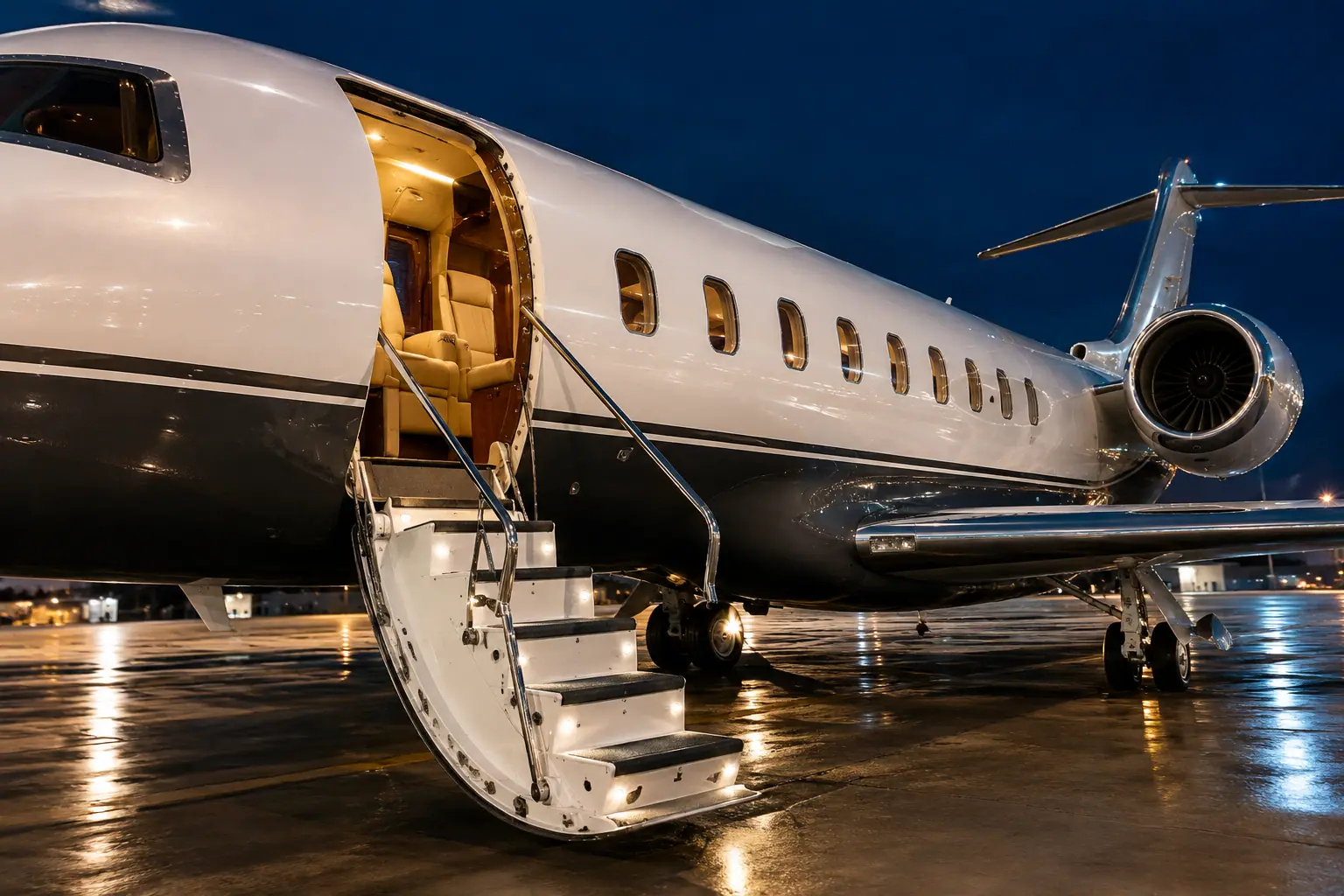
Hourly charter rates
Use this as a starting frame, not a bid. Each class below carries a published hourly range from the turboprop tier up to heavy jets, and your actual quote will move with the route, the date and how many pets board. Multiply the hourly band by the flight time you see on a quoted itinerary, then expect fees and taxes to sit on top.
| Cabin | Seats | Cruise | Hourly estimate |
|---|---|---|---|
| Turboprop | 6-8 | 300 kt | $2,200–$3,500 |
| Light jet | 4-7 | 430 kt | $3,800–$5,800 |
| Midsize jet | 7-9 | 440 kt | $5,200–$7,800 |
| Super-midsize jet | 8-10 | 470 kt | $7,200–$10,000 |
| Heavy jet | 10-14 | 470 kt | $9,500–$14,500 |
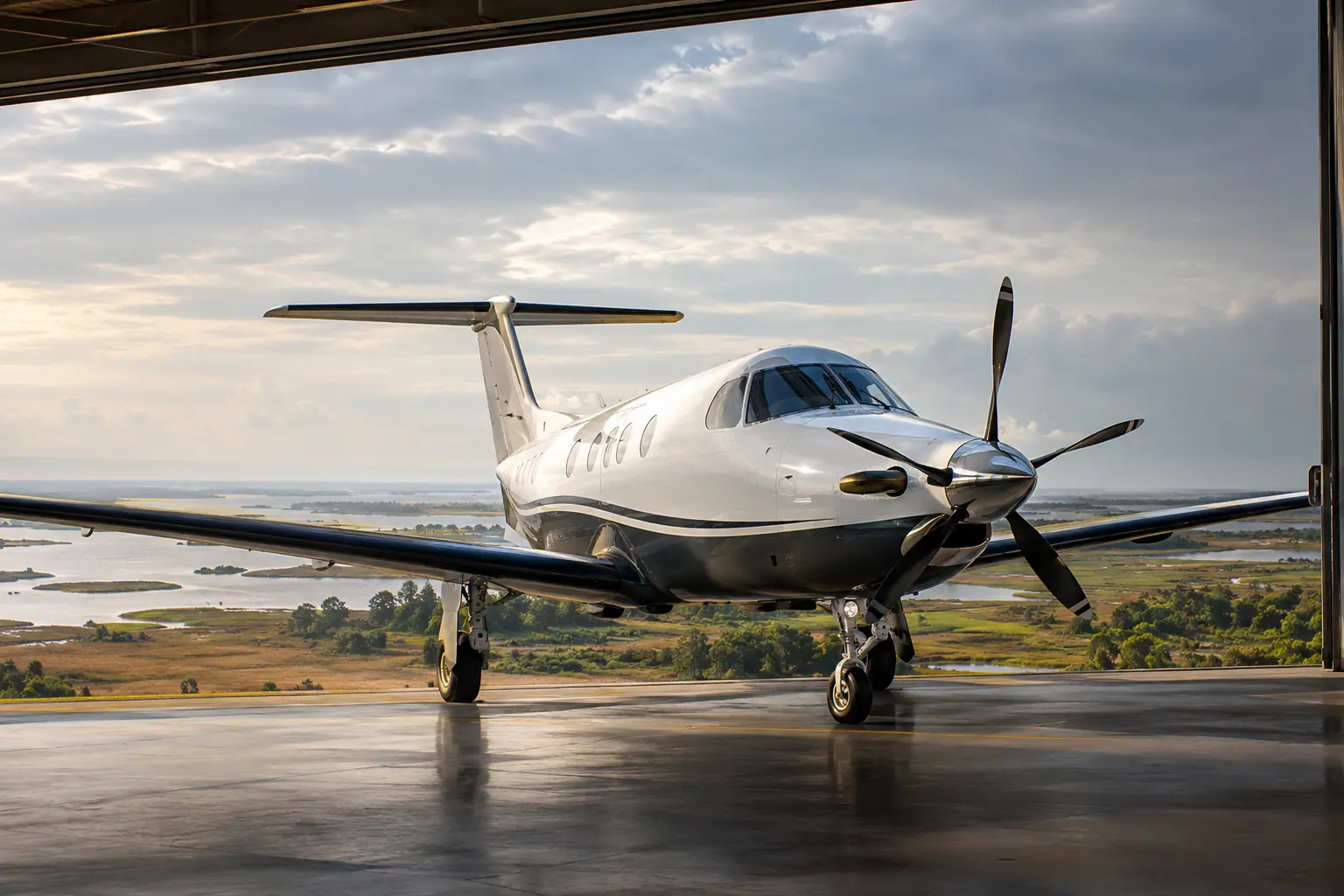
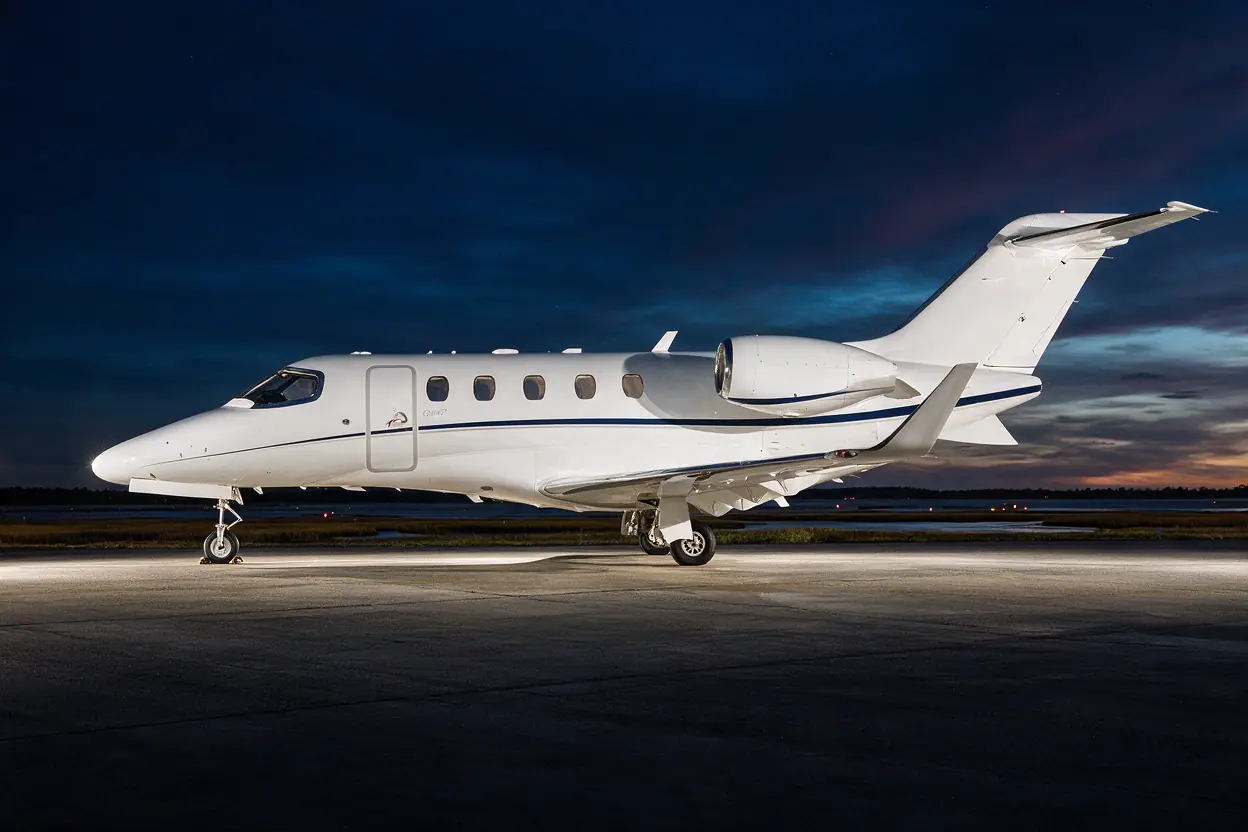
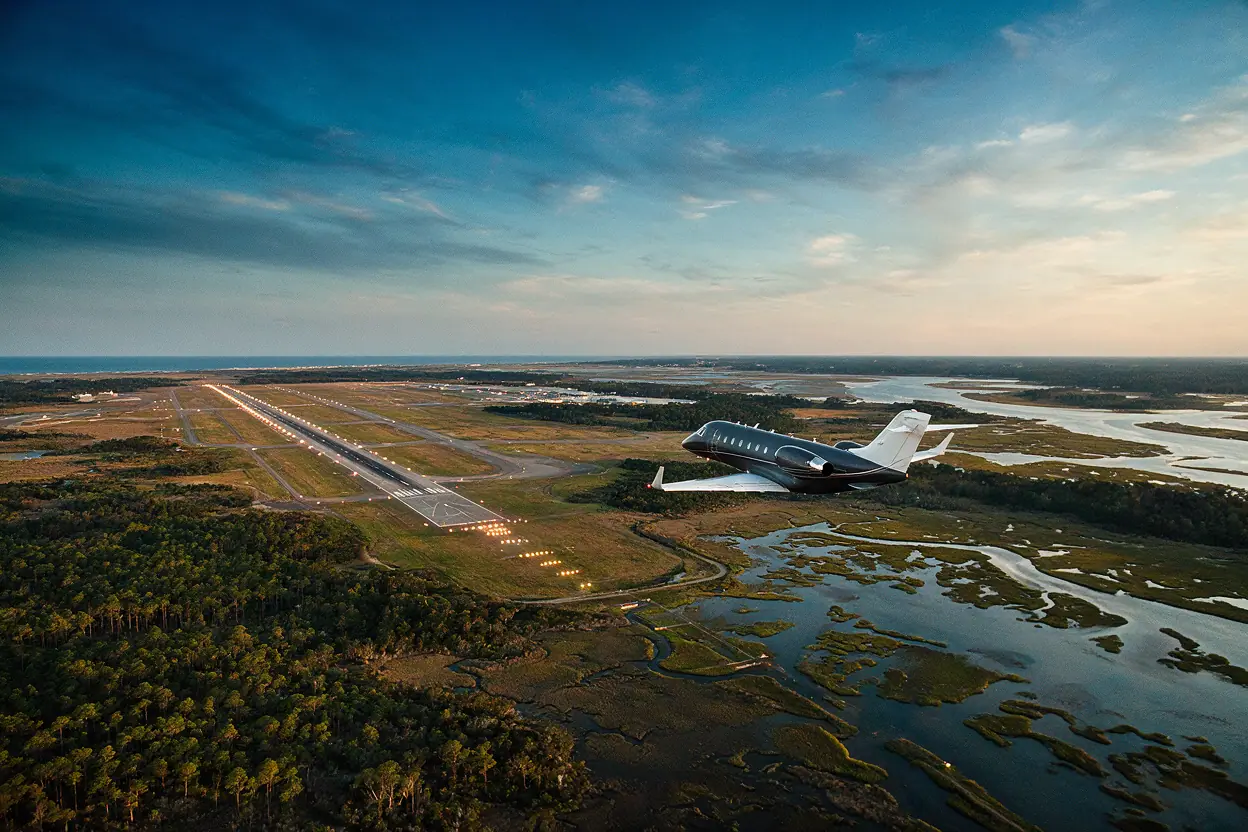
One-way private jet fares sample by route
These 6 private jet routes span 194 to 1,023 nautical miles, with single-leg light jet quotes ranging from $4,000 to $16,000.
| Route | Light jet | Midsize | Heavy |
|---|---|---|---|
| New York → Miami | $10,000–$15,000 | $13,500–$20,000 | $23,000–$35,000 |
| New York → Palm Beach | $9,500–$14,500 | $13,000–$19,000 | $22,000–$33,500 |
| Los Angeles → Aspen | $7,000–$10,500 | $9,500–$14,000 | $16,500–$25,000 |
| Dallas → Houston | $4,000–$6,000 | $5,000–$8,000 | $9,500–$14,500 |
| Washington, DC → New York | $4,000–$6,000 | $5,000–$8,000 | $9,500–$14,500 |
| Chicago → Miami | $10,500–$16,000 | $14,500–$21,500 | $24,500–$37,500 |
What moves a pet friendly estimate
Aircraft class and hourly rate
Turboprops are the cheapest tier at $2,200 to $3,500 per hour, and light jets follow at $3,800 to $5,800. Heavy jets reach $9,500 to $14,500. A larger cabin gives pets more floor space, but the rate climbs with it, so match the class to the animal and the leg length rather than defaulting to the biggest airframe.
Flight time on the route
Charter pricing is built on hours, so a short hop stays cheap and a transcontinental leg does not. Los Angeles to Las Vegas is 199 nm and about 47 minutes in a light jet. Chicago to New York is 619 nm at roughly 1 hour 49 minutes. The longer the block time, the more the hourly band multiplies.
Pet handling and cabin rules
Operators set their own pet policies. Some allow pets in the cabin on every flight, others restrict certain breeds or limit how many animals travel. Ask before you compare totals, because two quotes for the same route can differ once pet handling is priced in. Get the policy in writing on the quote.
Crew duty and repositioning
If the aircraft has to fly in from another base, those empty hours land in your quote. A Dallas to Las Vegas trip covers 925 nm in about 2 hours 34 minutes, but if the jet sits in another city the day before, the ferry leg adds cost. Ask where the aircraft is based and whether repositioning is built into the price.
Density altitude and departure airport
Hot days thin the air and reduce performance. Las Vegas reaches a peak density altitude of about 6,300 ft at 115F, and Centennial near Denver sits at 5,885 ft field elevation with peaks near 9,700 ft. When conditions are marginal, a heavier aircraft or a different airport may be required, and that changes the estimate.
Season and notice
Holiday weekends and major events tighten supply, especially around South Florida and the mountain resorts. Booking weeks out gives you more aircraft to compare. A last-minute request on a peak date leaves fewer options and a narrower band of quotes, so plan the pet paperwork and the flight request on the same timeline.
Fees and taxes outside the hourly rate
The hourly rate is the core of the number, but it is not the total. Expect segment fees, landing and handling charges at the destination, and fuel surcharges where an operator applies them. International legs bring customs and border processing into the plan, and the CBP requirements for a pet re-entering the US are separate from the charter quote. Ask for an itemized estimate so the pet line, the airport line and the tax line are each visible rather than folded into one figure.
On the regulatory side, flights are flown by operators holding FAA Part 135 authority, and those operators hold operational control of the flight. We act as a charter broker under DOT Part 295 and arrange the trip as your agent rather than flying it. That distinction matters when a question about pet handling comes up, because the answer comes from the operator's manual. Confirm the pet policy, the crate guidance and the cabin limits with the operator before you pay a deposit.
Ways to lower the estimate
Compare two aircraft classes
A light jet at $3,800 to $5,800 per hour and a midsize at $5,200 to $7,800 overlap at the low end. If your pet is small and the leg is under two hours, the light jet usually does the job and keeps the total down.
Fly a shorter route
Distance is the biggest lever. Los Angeles to San Francisco is 279 nm in about 59 minutes, while New York to Los Angeles runs 2,129 nm at roughly 6 hours 15 minutes. A nearby second airport can also cut time on the ground.
Ask about empty legs
When an operator has to move an aircraft to reach its next booking, that leg may be offered at a reduced price. Availability is unpredictable and rarely lines up with a pet's schedule, but it is worth asking about on flexible dates.
Book ahead on peak dates
More lead time means more aircraft to compare, and comparison is what keeps a quote honest. A request placed weeks before a holiday weekend gives you room to weigh a turboprop against a light jet instead of taking the only option left.
Questions
How much does a pet friendly private jet estimate come to per hour?
Hourly rates run from $2,200 to $3,500 for a turboprop, $3,800 to $5,800 for a light jet, $5,200 to $7,800 for a midsize, $7,200 to $10,000 for a super-midsize and $9,500 to $14,500 for a heavy jet. Those are estimates before fees and taxes, so treat them as a band to compare quotes against.
What does a pet friendly private jet estimate look like for a common route?
New York to Miami is 949 nm and about 2 hours 37 minutes in a light jet, with a published range of $10,000 to $15,000. Chicago to Miami covers 1,023 nm in roughly 2 hours 48 minutes at $10,500 to $16,000. Short hops like Los Angeles to Las Vegas start near $4,000 to $6,000.
Can my pet fly in the cabin?
Many charter aircraft allow pets in the cabin, but the operator sets the rule and it is not universal. Some cap the number of animals, restrict breeds or require a carrier. Because we arrange flights rather than operate them, confirm the cabin policy directly with the operator and get it noted on your quote.
Do pets change the aircraft I can book?
A larger cabin gives a big dog room to settle, which often means a midsize or super-midsize airframe. A midsize such as the Citation XLS+ seats 8 with a cabin 5 ft 8 in tall, while a light jet cabin runs about 4 ft 9 in. Match the cabin height to the animal and the trip length.
Are pet fees included in the charter quote?
Sometimes, sometimes not. Operators handle pet charges differently, and some fold cleaning or handling into the base price while others itemize it. Ask for the pet line separately so you can compare two quotes on equal footing, and read the cancellation terms before you commit a deposit.
Which airports work best for a pet friendly trip?
Private terminals keep the process calm, and many have ramp access that shortens the walk to the aircraft. Teterboro is 9 ft above sea level with a 6,997 ft runway, and Van Nuys sits at 802 ft with an 8,001 ft runway. Ask the operator which FBO they use and whether pets can be walked on the ramp.
What if the weather is hot on departure day?
High density altitude can limit performance. Las Vegas peaks near 6,300 ft density altitude at 115F, and Denver-area Centennial sits at 5,885 ft field elevation with peaks near 9,700 ft. On those days the operator may adjust the aircraft or the departure airport, so build a little slack into the plan for a pet.