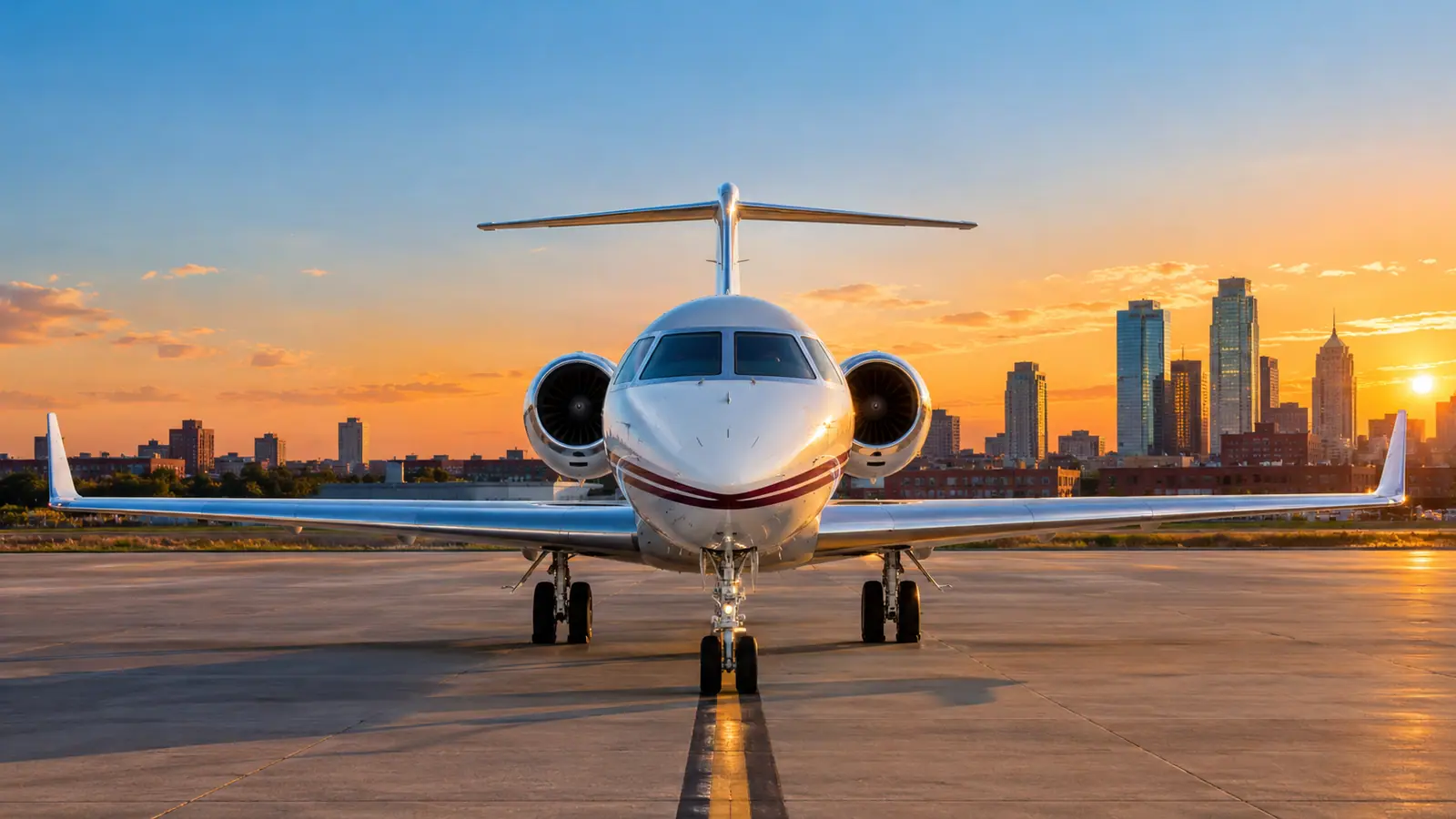
Pet friendly private jet charters
A pet friendly private jet lets an animal stay in the cabin instead of a hold. Light jet rates run $3,800 to $5,800 per hour across US routes. Heat, density altitude and paperwork decide more trips than most owners expect.
- priced routes
- 16
- airports
- 20
- minimum hourly quote
- $2,200
- New York to Miami, light jet
- 2h 37m
Quote your trip
Choose a route, traveler count and luggage to view the matching class, the time in the air and a price range.
- Agents answer calls 24/7
- Only FAA Part 135 carriers operate the flights
- Full quote shown before you commit
Airports for pet friendly jets
These are the fields we quote most for pet friendly private jet charters, each with fixed-base operators that handle ramp access, pet relief and quick transfers. Van Nuys in Los Angeles sits at 802 ft and offers an 8,001 ft runway with four FBOs, which keeps Los Angeles departures flexible for animals that travel better without a long terminal walk.
**KTEB
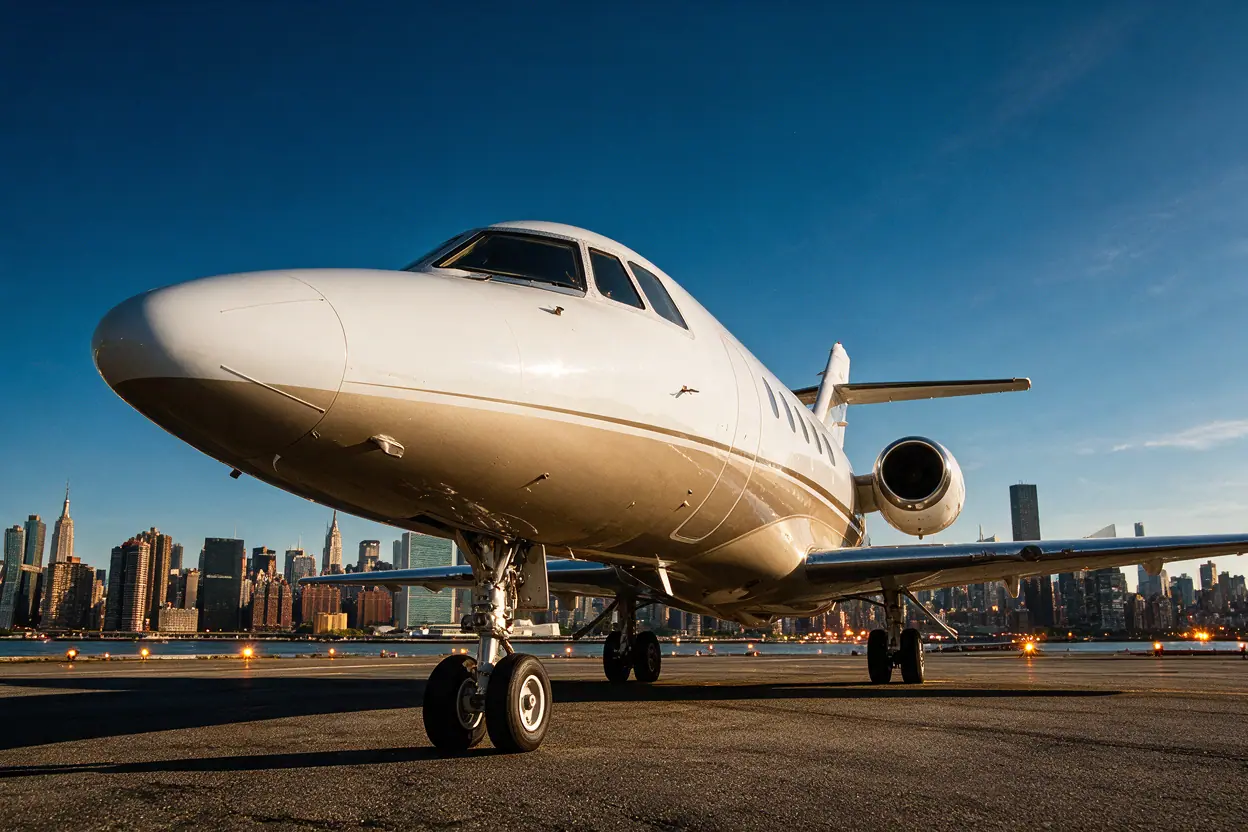
**Teterboro Airport (KTEB), just outside New York, sits at only 9 ft elevation with a 6,997 ft runway and four FBOs, so summer heat barely shifts density altitude there. In July it reaches about 1,700 ft and at 115F around 2,300 ft, both workable for most jets, which makes it the default New York gateway for a pet friendly private jet.
KVNY
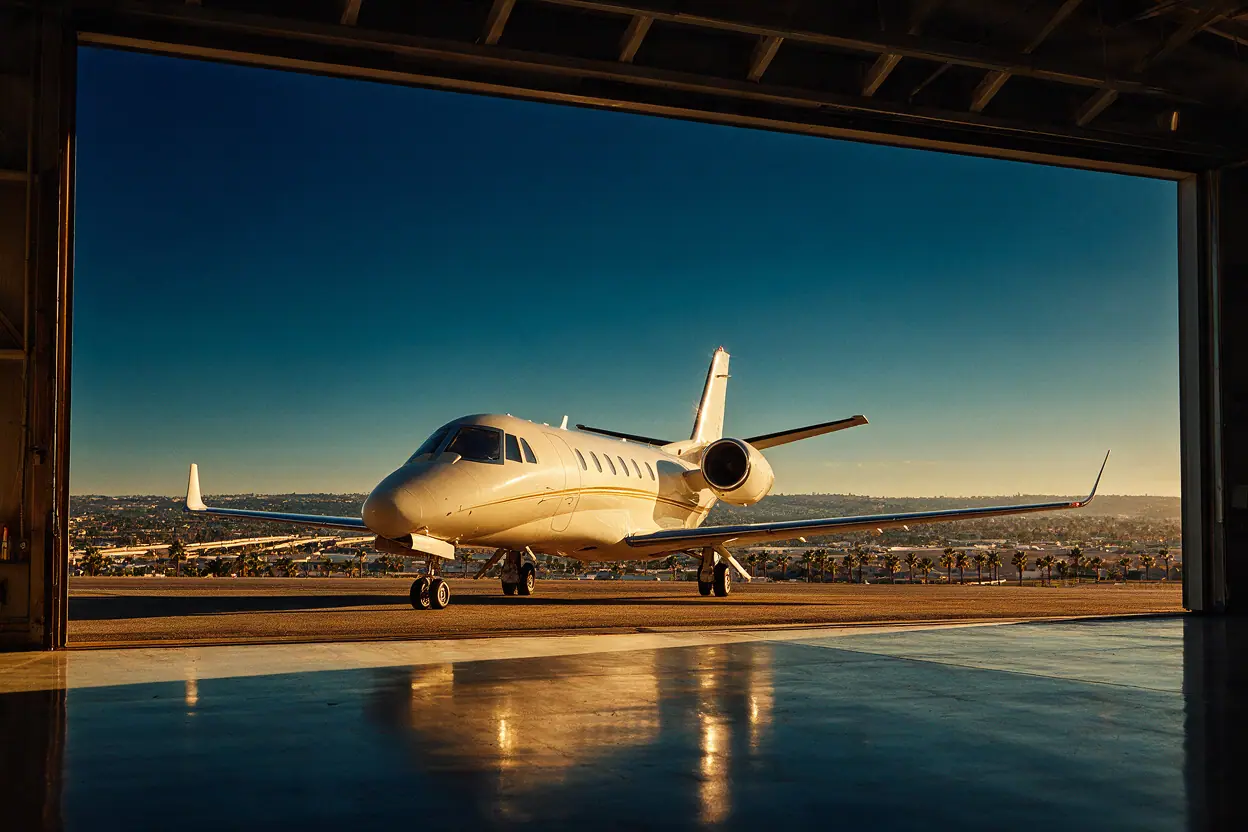
Van Nuys (KVNY) climbs to 802 ft with an 8,001 ft runway, and July density altitude reaches about 3,200 ft, hitting 3,800 ft at 115F. Warm days reduce takeoff performance, so a heavy jet carrying a large animal and full fuel may need a different field or an earlier departure slot.
KOPF
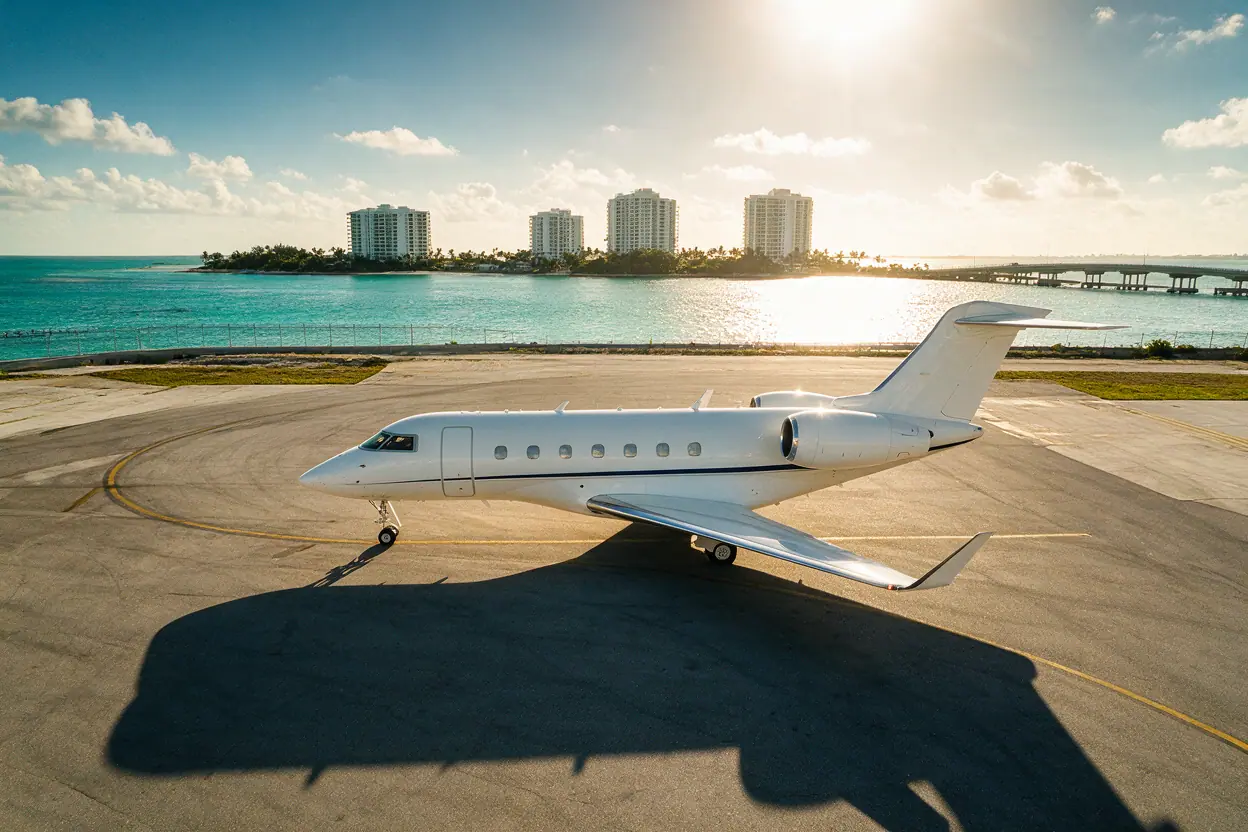
Miami-Opa Locka Executive (KOPF) is 8 ft above sea level with an 8,002 ft runway and four FBOs, and July density altitude stays near 1,900 ft. For South Florida animal travel it is a practical alternative to the airline terminals, and international itineraries clear customs here.
KAPA
Centennial Airport near Denver sits at 5,885 ft with a 10,001 ft runway, and July density altitude runs about 9,200 ft, reaching 9,700 ft at 115F. Thin air matters most for pets with breathing issues, so confirm the aircraft's performance numbers with the operator before a summer departure.
KLAS
Harry Reid International (KLAS) in Las Vegas is 2,181 ft high with a 14,835 ft runway, and July density altitude hits about 5,800 ft, rising to 6,300 ft at 115F. Long runways offset the heat, but midday summer departures still warrant an earlier slot for animals.
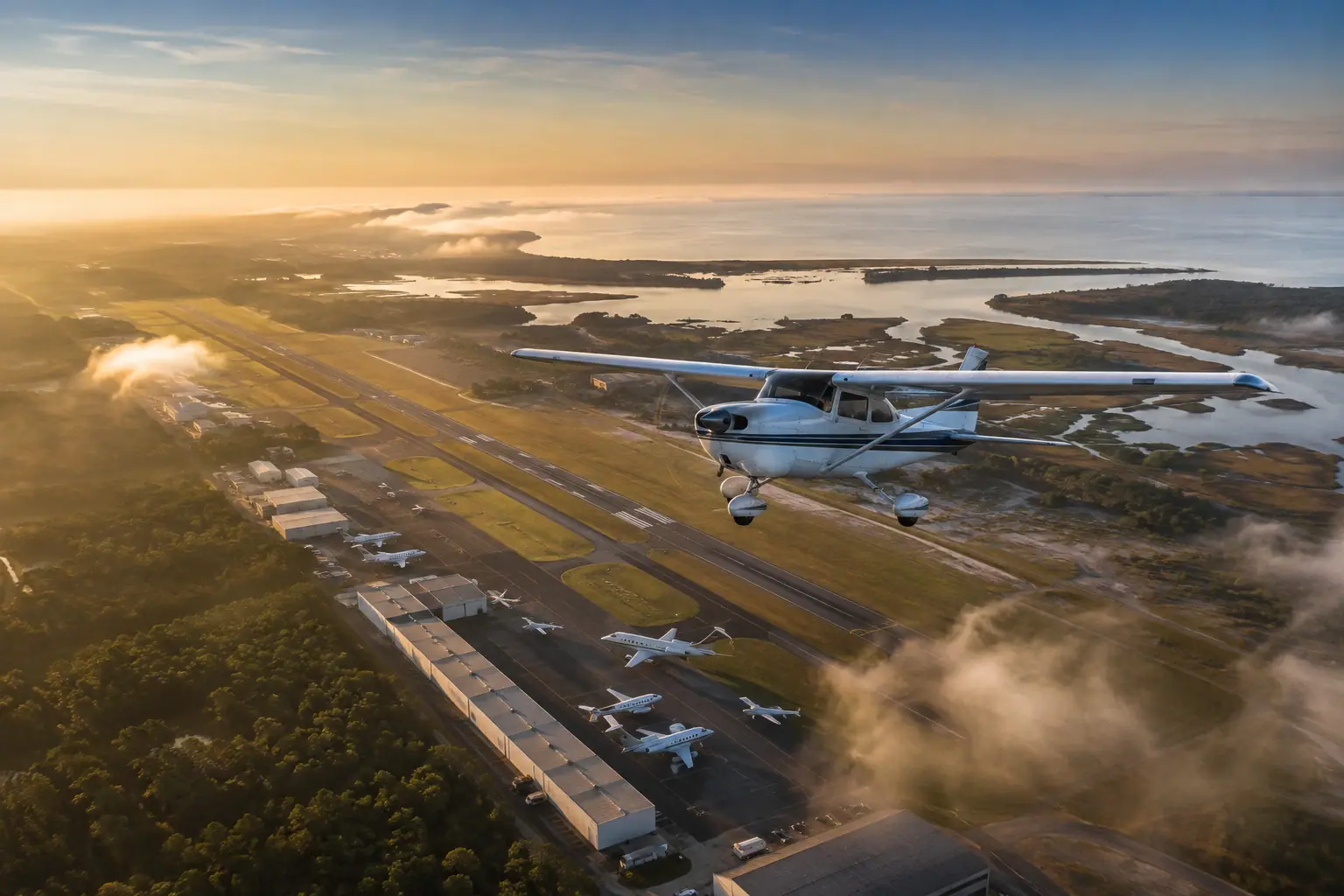
Teterboro Airport
- KTEB code
- 6,997 ft runway
- 0 mi to downtown New York
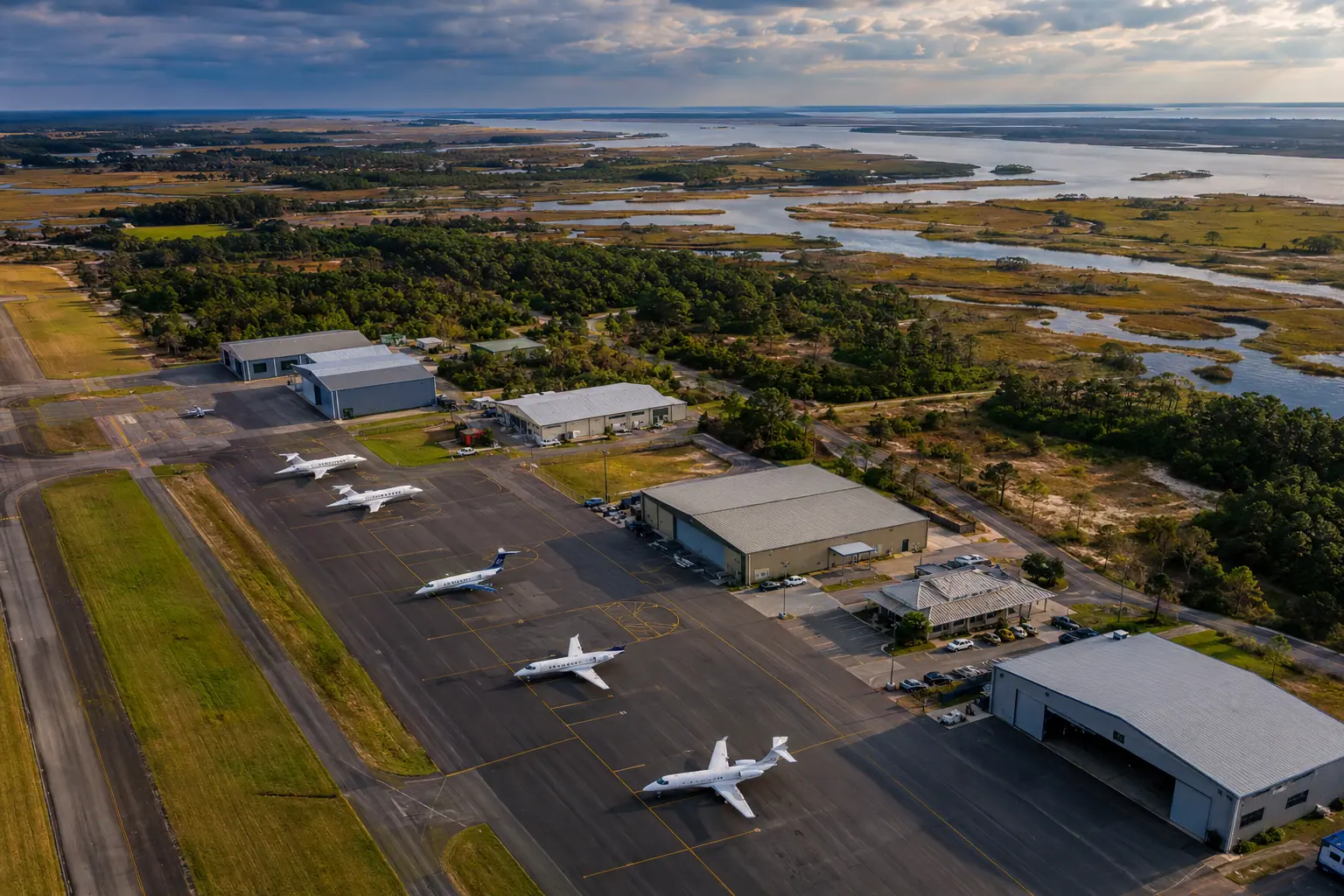
Van Nuys Airport
- KVNY code
- 8,001 ft runway
- 0 mi to downtown Los Angeles
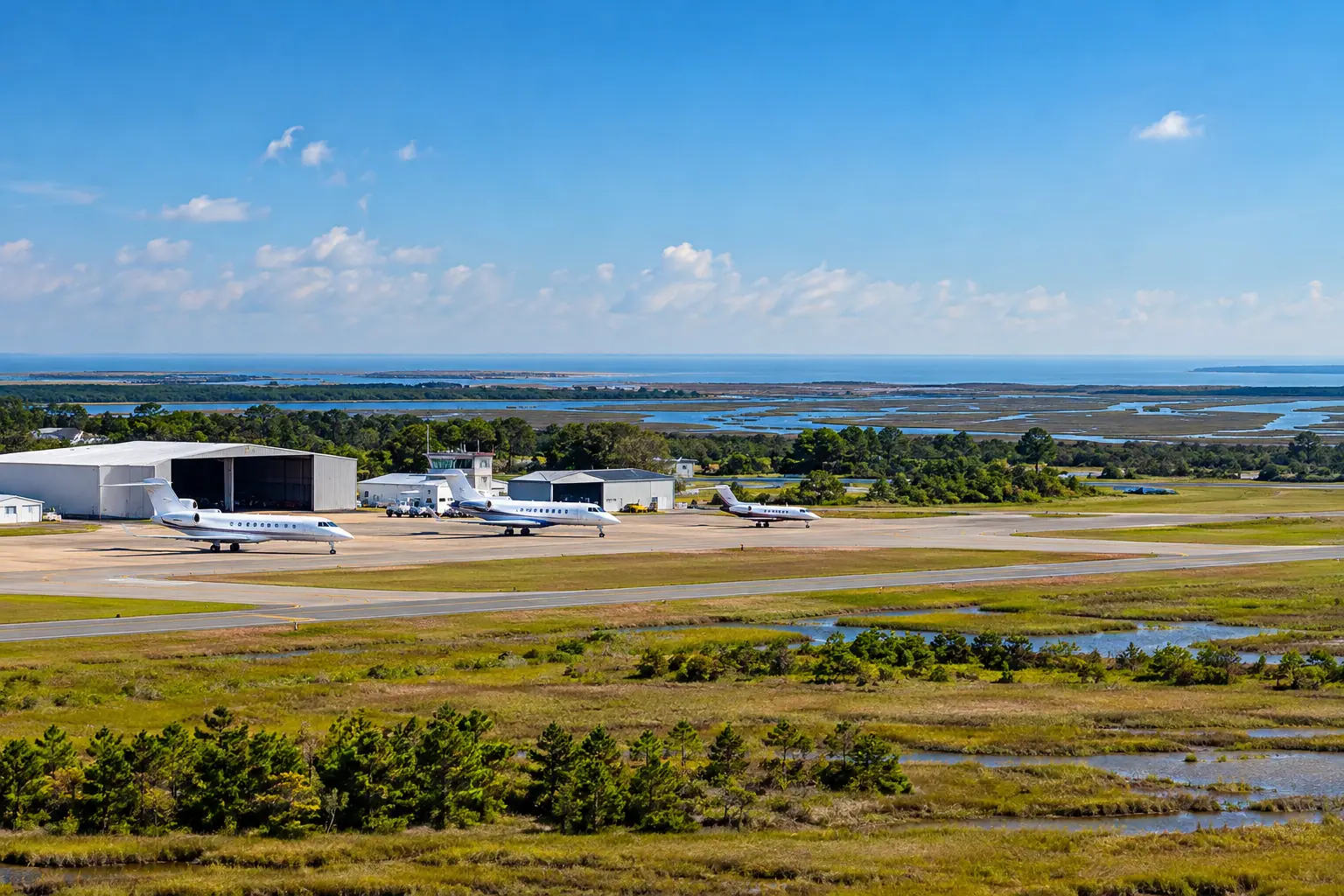
Miami-Opa Locka Executive Airport
- KOPF code
- 8,002 ft runway
- 0 mi to downtown Miami
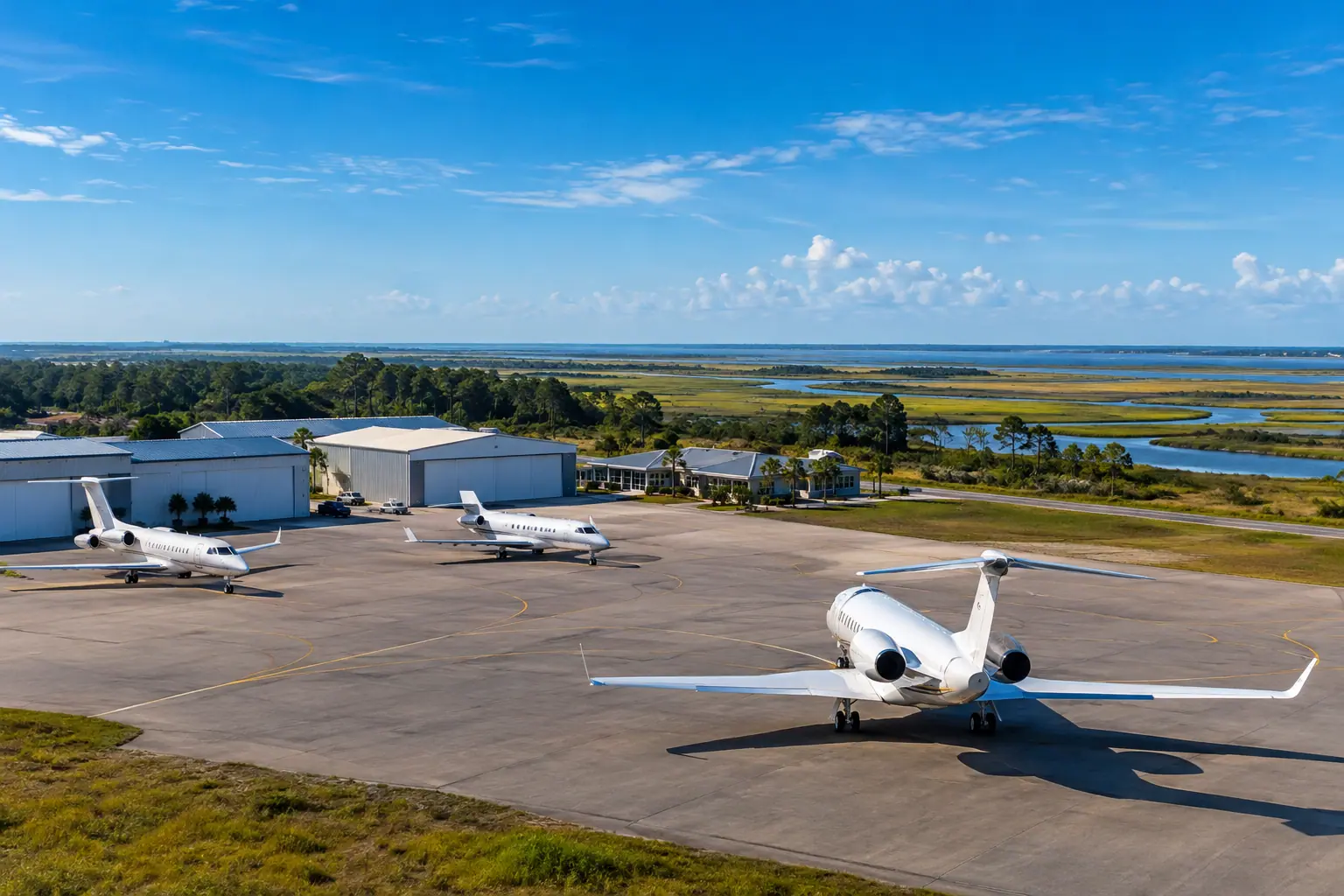
Chicago Midway International Airport
- KMDW code
- 6,522 ft runway
- 0 mi to downtown Chicago
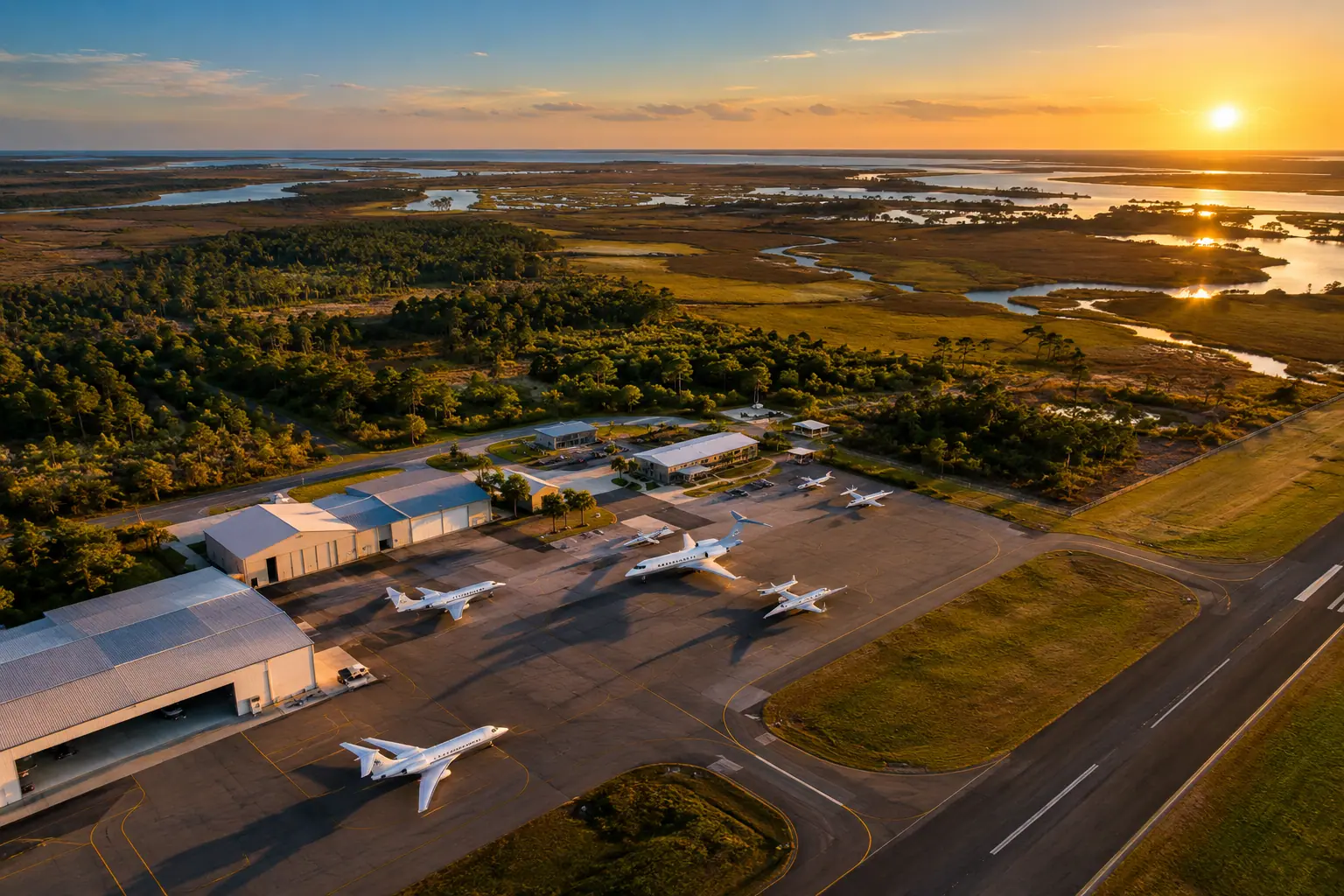
Dallas Love Field
- KDAL code
- 8,800 ft runway
- 0 mi to downtown Dallas
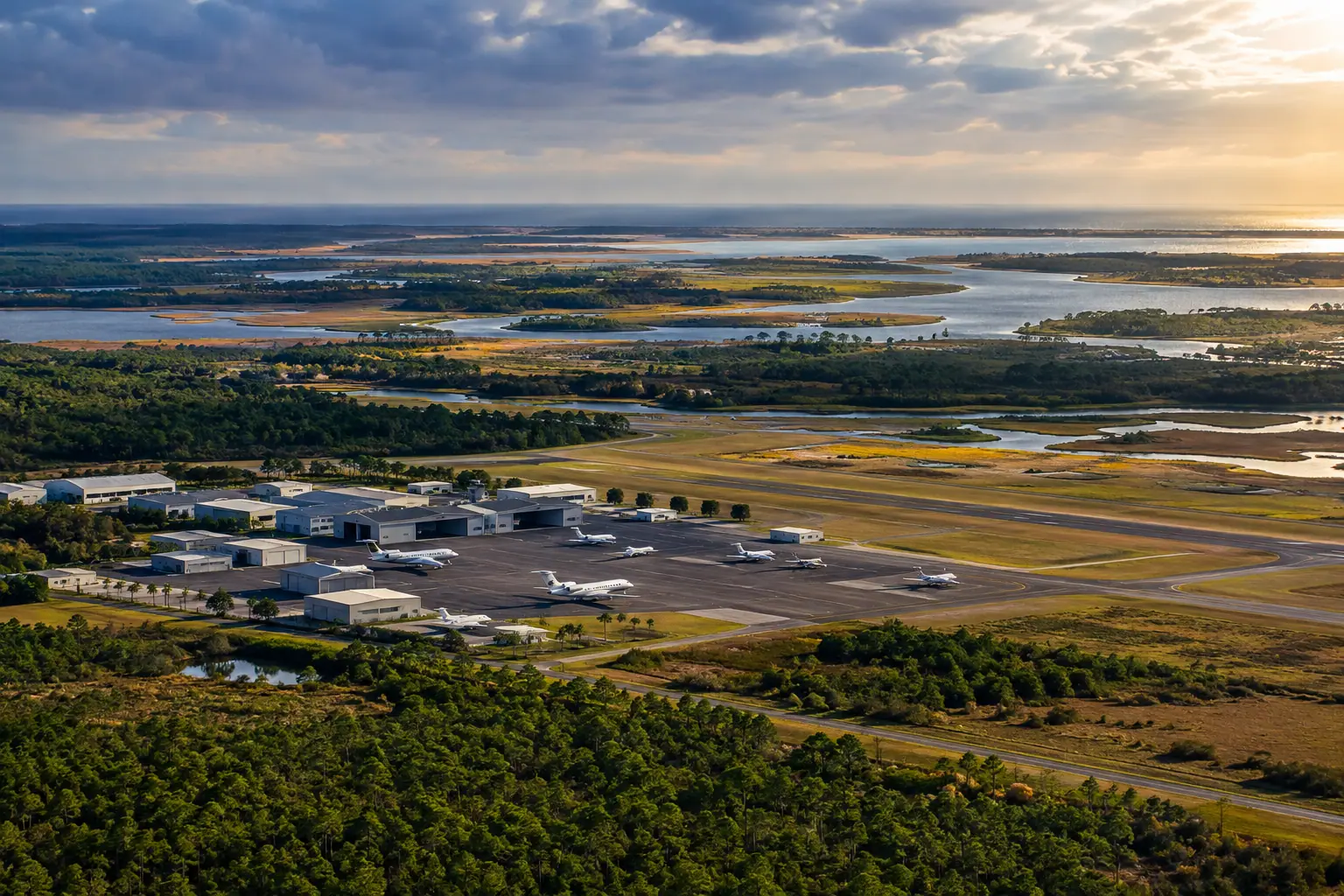
William P. Hobby Airport
- KHOU code
- 7,602 ft runway
- 0 mi to downtown Houston
By city
Heat and pets on the ramp
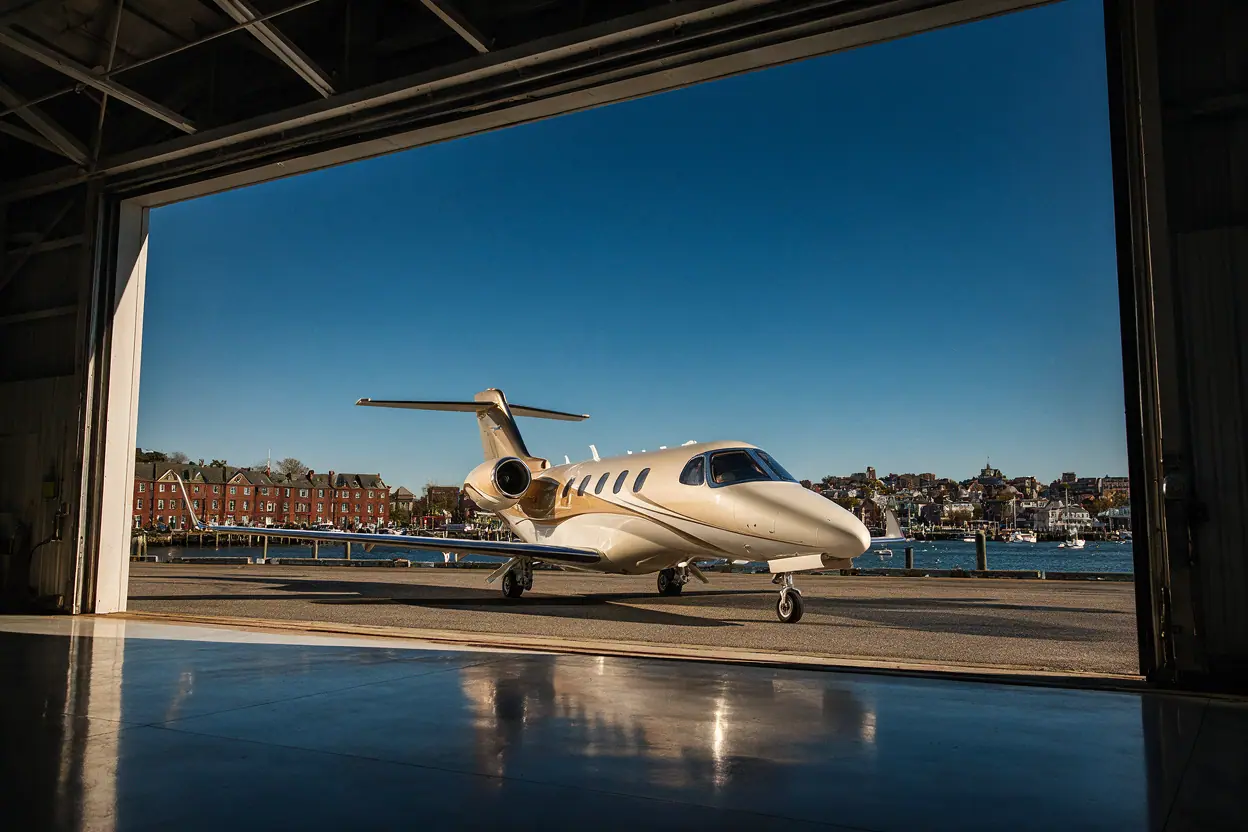
Summer heat is the biggest operational constraint for pet friendly private jet travel in the US: at 115F, density altitude reaches 6,300 ft at Las Vegas and 9,700 ft at Denver's Centennial, which trims climb performance and stretches runway needs. At 115F the density altitude at Van Nuys climbs to about 3,800 ft versus 3,200 ft in July, so an afternoon departure with a large dog and full tanks deserves an honest performance check.
Ramp time is the other half of the problem. Animals should be boarded into a pre-cooled cabin rather than left in a warm FBO, and if the mercury passes 115F at a high-elevation field, then the operator may move the departure earlier or shift airports. Dallas Love Field at 487 ft reaches roughly 3,000 ft in July, and 3,700 ft at 115F, so even lowland Texas fields change with the afternoon.
Our monthly data tracks this closely. July averages 85F with 13 wet days, while January averages 40F with 9 wet days, so the same aircraft flies very differently across the calendar.
| Month | Avg high | Wet days | KTEB DA | KVNY DA | KOPF DA |
|---|---|---|---|---|---|
| Jan | 40°F | 9 | -1,300 ft | 1,400 ft | 1,100 ft |
| Feb | 43°F | 11 | -1,100 ft | 1,600 ft | 1,300 ft |
| Mar | 49°F | 10 | -700 ft | 1,700 ft | 1,500 ft |
| Apr | 60°F | 12 | 100 ft | 2,100 ft | 1,700 ft |
| May | 70°F | 11 | 700 ft | 2,200 ft | 1,800 ft |
| Jun | 79°F | 11 | 1,300 ft | 2,700 ft | 1,900 ft |
| Jul | 85°F | 13 | 1,700 ft | 3,200 ft | 1,900 ft |
| Aug | 83°F | 12 | 1,600 ft | 3,300 ft | 1,900 ft |
| Sep | 77°F | 10 | 1,200 ft | 3,000 ft | 1,900 ft |
| Oct | 66°F | 9 | 500 ft | 2,700 ft | 1,700 ft |
| Nov | 54°F | 9 | -300 ft | 2,000 ft | 1,400 ft |
| Dec | 45°F | 11 | -900 ft | 1,500 ft | 1,200 ft |
Rain days count 1 mm or more of precipitation. Density altitude computed at the mean afternoon maximum using a rule-of-thumb equation. Operators rely on their own performance figures.
What pet friendly private jet travel
Pet friendly private jet pricing starts with the aircraft class, not the animal: light jets run $3,800 to $5,800 per hour and turboprops $2,200 to $3,500, so a short hop with a carrier and a dog often lands far below a coast-to-coast leg. A New York to Miami flight of 949 nm runs about $10,000 to $15,000 in a light jet on our estimate, which is where the hourly math meets a real route.
The figures below are estimates for the whole aircraft, not per seat, and they move with fuel, crew duty time and airport fees. Los Angeles to Las Vegas covers 199 nm in roughly 0h 47m for $4,000 to $6,000 in a light jet, a common weekend run with a pet aboard. A New York to Los Angeles charter of 2,129 nm takes about 6h 15m and costs $23,500 to $36,000, so longer legs carry proportionally more of everything, including cabin time for the animal.
| Cabin | Seats | Hourly estimate | New York → Miami |
|---|---|---|---|
| Turboprop | 6-8 | $2,200–$3,500 | $8,000–$12,500 |
| Light jet | 4-7 | $3,800–$5,800 | $10,000–$15,000 |
| Midsize jet | 7-9 | $5,200–$7,800 | $13,500–$20,000 |
| Super-midsize jet | 8-10 | $7,200–$10,000 | $17,500–$24,000 |
| Heavy jet | 10-14 | $9,500–$14,500 | $23,000–$35,000 |
When pet jet demand peaks
Demand clusters around holidays, school breaks and warm-weather escapes, and the calendar data shows why: July is the hottest month at an average high of 85F with 13 wet days, while January averages 40F and 9 wet days, so winter and summer both push bookings. Between Thanksgiving and New Year, plus the July peak, aircraft availability tightens across US routes, so quotes are worth locking early.
Storm season shapes the rest of the year. Late summer and early fall bring heavy rain and thunderstorm delays along the Gulf and East Coast, and if a system stalls over a hub, then reroutes or departure changes follow. Booking a day of slack into a pet's travel plan costs little and absorbs most weather surprises.

Common pet friendly routes
Route length sets both the price and how long the animal spends in the cabin: short hops such as Washington, DC to New York at 194 nm take about 0h 46m and cost $4,000 to $6,000 in a light jet, while transcontinental legs run many hours. New York to Palm Beach, 902 nm and roughly 2h 30m in a light jet, prices at $9,500 to $14,500 and is a frequent relocation run with pets.
International legs add customs time, so plan for CBP clearance on arrival and confirm the destination country's animal import rules before booking. Miami to Nassau covers 161 nm in about 0h 42m for an estimated $4,000 to $6,000, and a Los Angeles to Cabo San Lucas trip of 808 nm runs about 2h 16m at $8,500 to $13,000, both routes where pet paperwork should be settled early. If a route crosses a border, then the operator needs the animal's documents well before departure.
- New York → Miami2h 37m
- New York → Los Angeles6h 15m
- Los Angeles → Las Vegas0h 47m
- New York → Palm Beach2h 30m
- Los Angeles → San Francisco0h 59m
- New York → Aspen4h 43m
- Los Angeles → Aspen1h 51m
- New York → The Hamptons0h 30m
- Chicago → New York1h 49m
- Dallas → Houston0h 48m
- Miami → Nassau0h 42m
- New York → Boston0h 41m
- Washington, DC → New York0h 46m
- Los Angeles → Cabo San Lucas2h 16m
- Dallas → Las Vegas2h 34m
- Chicago → Miami2h 48m
Aircraft classes that suit pets
Cabin size, not range, is what usually decides the class: turboprops seat 6-8 passengers with a cruise near 300 kts, light jets carry 4-7 at about 430 kts, and heavy jets seat 10-14 at 470 kts with the most floor space for crates. Midsize jets, with 7-9 seats and a typical 2,100 nm range, handle most pet friendly charter flights in comfort without paying heavy-jet hourly rates.
Range matters once the route gets long. Turboprops typically fly about 1,500 nm, light jets around 1,400 nm, midsize 2,100 nm and super-midsize 3,200 nm, which is why a cross-country trip with a large dog may need a super-midsize or heavy airframe. Super-midsize jets at $7,200 to $10,000 per hour give 8-10 seats and 3,200 nm of range for households traveling with more than one animal.
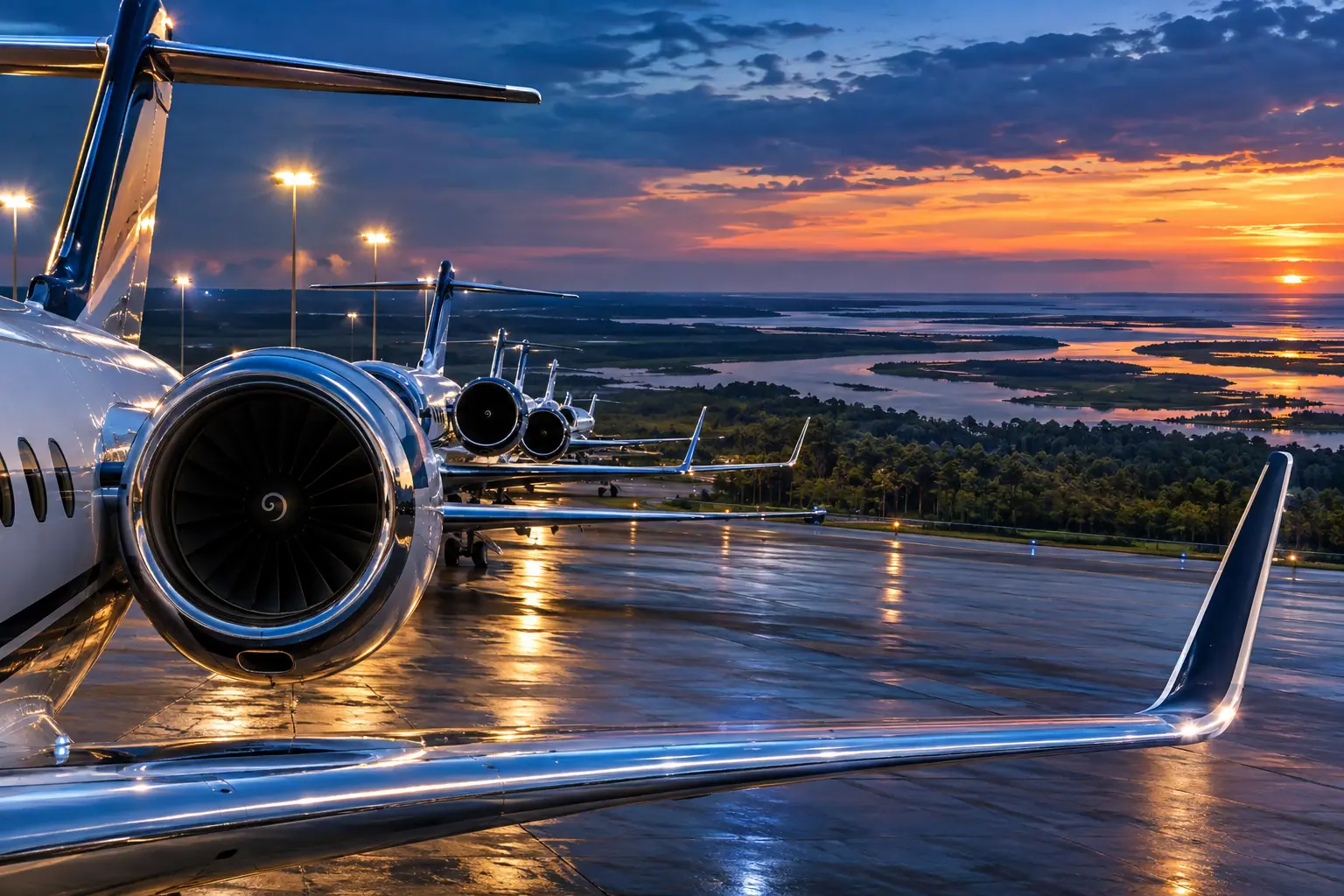
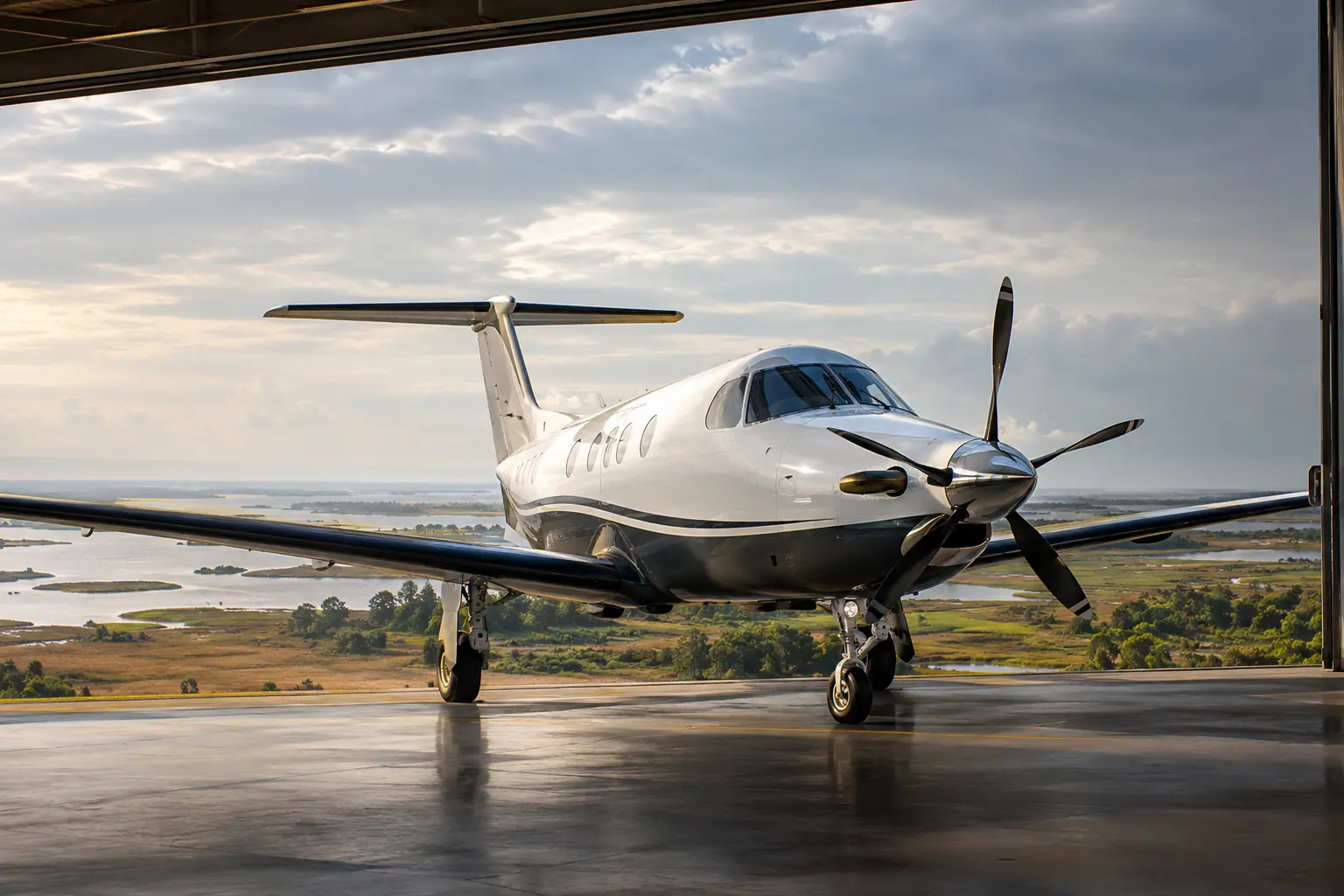
Turboprop
- 6-8 seats
- 300 kt cruise
- 1,500 nm range
Beechcraft King Air 350i, Pilatus PC-12 NGX
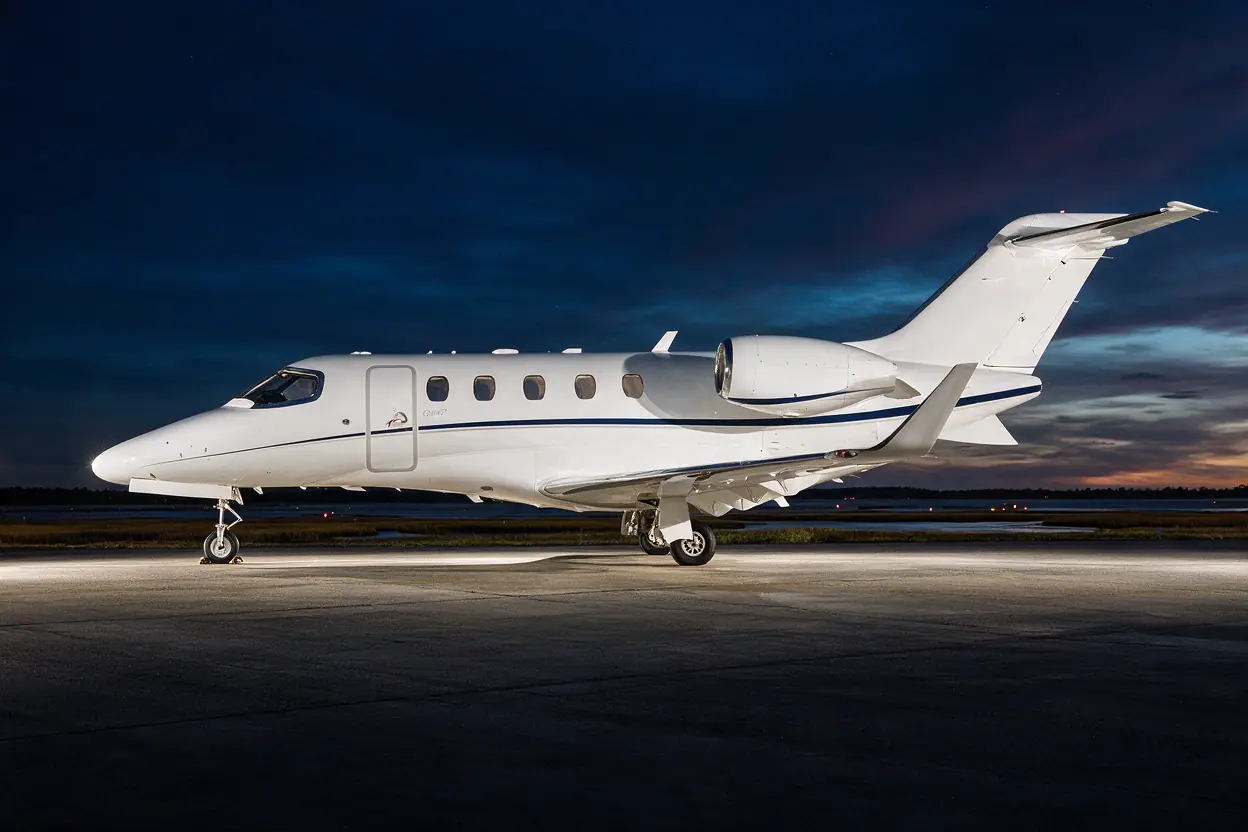
Light jet
- 4-7 seats
- 430 kt cruise
- 1,400 nm range
Pilatus PC-24, HondaJet Elite II
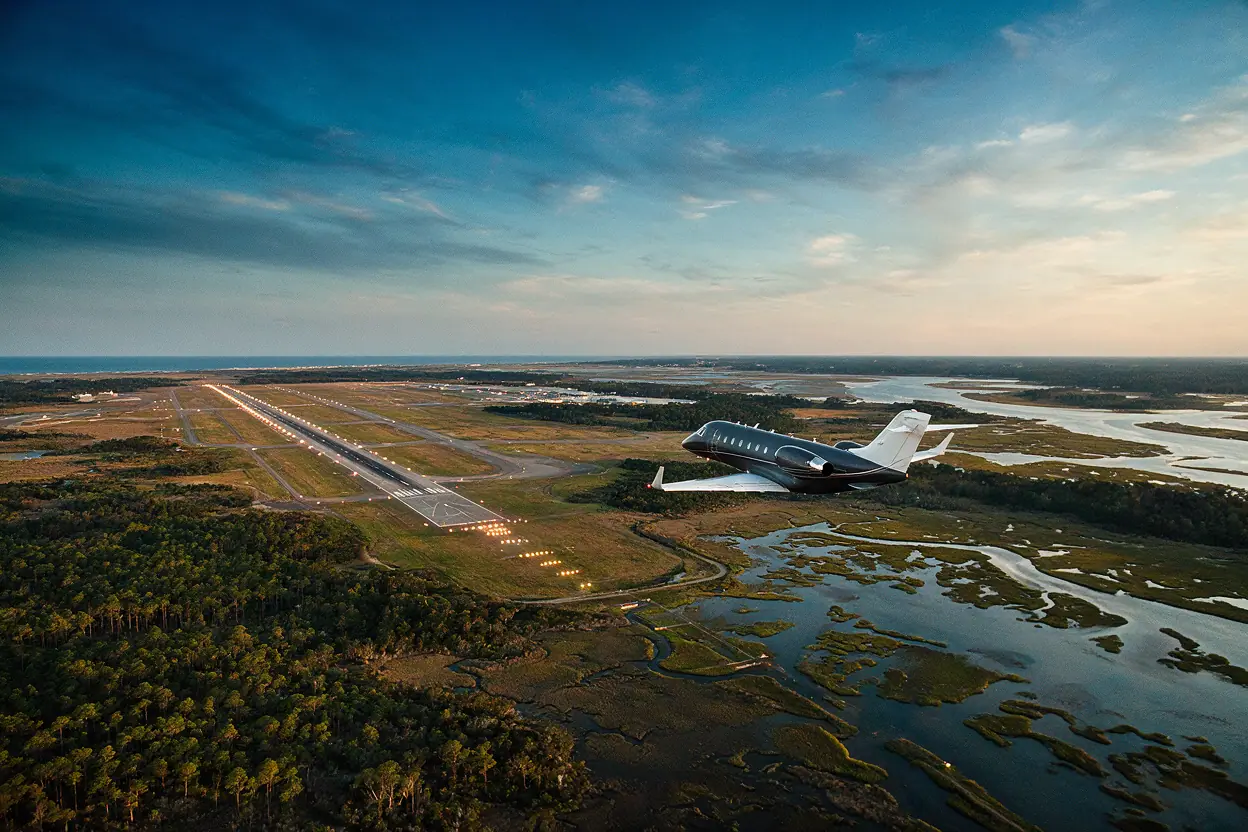
Midsize jet
- 7-9 seats
- 440 kt cruise
- 2,100 nm range
Hawker 800XP, Cessna Citation XLS+
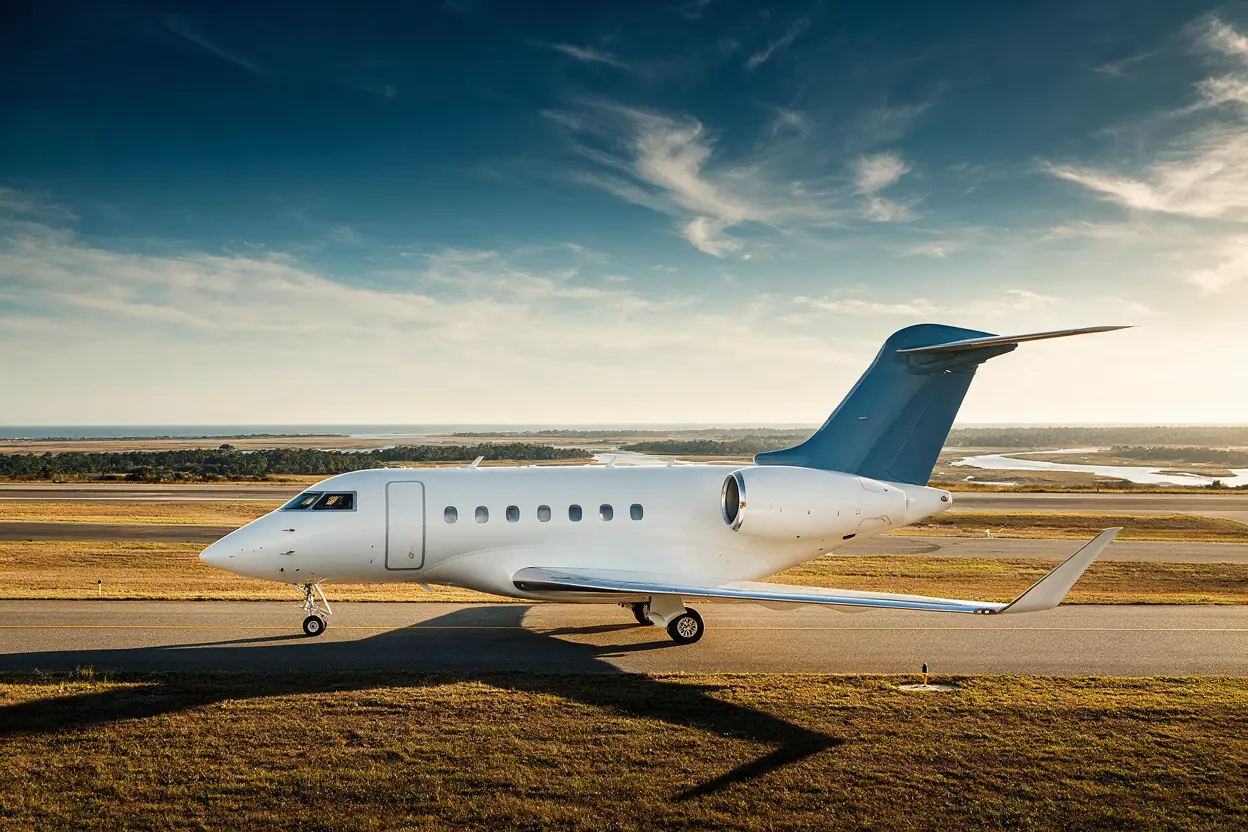
Super-midsize jet
- 8-10 seats
- 470 kt cruise
- 3,200 nm range
Gulfstream G280, Cessna Citation X+
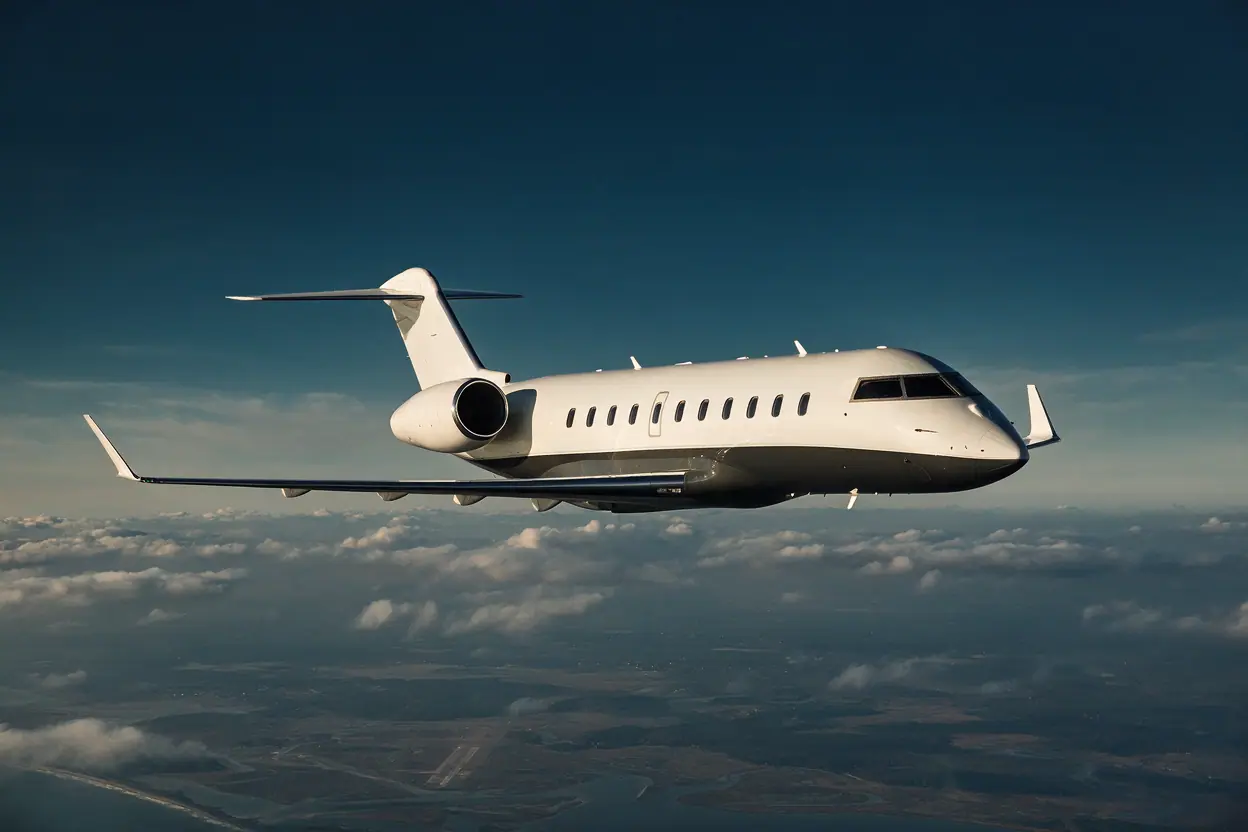
Heavy jet
- 10-14 seats
- 470 kt cruise
- 4,000 nm range
Bombardier Challenger 650, Dassault Falcon 900LX
Common questions
Is a pet friendly private jet more expensive than flying the airlines with a pet?
Usually yes, and the gap is largest on short routes: a light jet from Los Angeles to Las Vegas at 199 nm runs an estimated $4,000 to $6,000 for the whole aircraft, while airline pet fees are per animal. The comparison changes when several people travel together or the animal cannot fly in a hold at all.
Which aircraft class should I book for a large dog?
Midsize jets, with 7-9 seats and roughly 2,100 nm of range at $5,200 to $7,800 per hour, handle most large dogs and crates without forcing a heavy jet. Two large animals plus a full passenger load may push you to super-midsize.
How does summer heat affect a pet friendly private jet departure?
Heat raises density altitude and cuts performance. At 115F, Van Nuys reaches about 3,800 ft of density altitude and Centennial near Denver about 9,700 ft, so a heavy aircraft on a hot afternoon may need a longer runway or an earlier slot. Ask the operator for numbers on your exact route.
Can my pet stay in the cabin for the whole flight?
On charter aircraft, yes in nearly all cases, because the cabin is not a cargo hold and the animal travels with you. The operator sets the rules on carriers, restraint and how many animals are allowed, so confirm those when you approve the quote.
Which airports near New York and Los Angeles work best with animals?
Teterboro sits at 9 ft with a 6,997 ft runway and four FBOs, and its July density altitude stays near 1,700 ft, so it is simple in summer. In Los Angeles, Van Nuys at 802 ft and an 8,001 ft runway offers four FBOs and short ramp transfers.
What paperwork does an international pet friendly private jet trip need?
Destination country import rules plus CBP clearance on return are the two fixed requirements, and both take time to arrange. A Miami to Nassau leg of 161 nm takes about 0h 42m in the air, but the documents should be started well before that. We flag the requirements; the operator confirms them.