Pet friendly private jet Centennial
Centennial Airport sits at 5,885 feet with a 10,001-foot runway. Summer density altitude reaches about 9,200 feet, which changes the math on pet friendly private jet Centennial trips. A broker can compare options while operators hold operational control.
- IATA/ICAO codes
- KAPA · APA
- field elevation
- 5,885 ft
- maximum runway
- 10,001 ft
- to New York
- 0 mi

Pet friendly private jet Centennial planning starts with field elevation: KAPA sits at 5,885 feet, and that single figure drives most of the aircraft-selection math. Thin air reduces lift and engine margin, so a light jet that clears a sea-level runway comfortably may need a longer takeoff roll or a weight limit here. For travelers flying with a dog or cat, the practical question is not whether a jet can land, but which aircraft type the operator will pair with the route, the passenger count and the pet's carrier size.
Centennial Airport's 10,001-foot runway gives larger cabin jets a useful margin at 5,885 feet. The runway length helps, but it does not erase density altitude. On a hot July afternoon the airport's density altitude can reach roughly 9,200 feet, and at 115F it peaks near 9,700 feet. Operators plan fuel, payload and even departure time around those figures, especially on nonstop routes to lower-altitude airports such as Van Nuys at 802 feet or Teterboro at 9 feet.
A pet friendly private jet Centennial quote depends on the operator's animal policy, not just the airport. Charter flights are flown by FAA Part 135 operators who hold operational control, and each one sets its own rules for pets in the cabin, carrier dimensions and cleaning fees. As a DOT Part 295 charter broker, we act as an agent and can ask those questions across several operators at once. That matters when a family is moving a large dog or two cats and the cabin configuration decides which jet types work.
Why runway length matters here
KAPA's longest runway measures 10,001 feet, a real advantage when summer density altitude climbs past 9,000 feet. Length buys margin, but it does not change the physics. If an operator quotes a midsize jet for a hot-weather departure to a short runway, then the payload or fuel stop may need review before the pet carrier goes in the cabin. The runway is one number; the departure performance calculation is the one that decides.
| Runway | Length | Width | Surface |
|---|---|---|---|
| 17L/35R | 10,001 ft | 100 ft | Asphalt |
| 17R/35L | 7,001 ft | 75 ft | Asphalt |
| 10/28 | 4,800 ft | 75 ft | Asphalt |
FBOs and pet handling on the ground
Centennial's FBO line-up includes jetCenters of Colorado, Modern Aviation and Signature Aviation - North, and each handles transient pets differently. Some have relief areas or a quiet corner for a carrier; others keep the focus on the ramp. A broker can confirm which one suits a nervous animal and a tight schedule.
If a pet needs a walk between a landing and a connecting leg, then the FBO choice affects how quickly that happens. Ask about ramp access and where a leashed dog can go before the next flight.
Best for
- Mountain West travelers flying with a dog or cat who want to compare operator pet policies in one place.
- Groups whose summer departure performance at 5,885 feet needs a runway and density-altitude review.
- Travelers comparing Centennial against Denver alternatives for a pet friendly private jet itinerary.
- Families relocating with animals who need carrier dimensions and cabin rules confirmed before booking.
| Cabin | Typical runway need | Here |
|---|---|---|
| Turboprop | 3,300 ft+ | Fits |
| Light jet | 4,000 ft+ | Fits |
| Midsize jet | 5,000 ft+ | Fits |
| Super-midsize jet | 5,200 ft+ | Fits |
| Heavy jet | 5,600 ft+ | Fits |
Density altitude by season
July brings a typical density altitude near 9,200 feet at Centennial, against roughly 6,100 feet in January. The monthly swing is large enough that the same jet and route can behave differently in winter and summer. Warm-weather departures are when operators most often trim payload or adjust timing.
If a trip falls in June through August, then expect the operator to look closely at passenger and baggage weight. Pets and carriers count toward that total, which is why a large dog can shift the aircraft recommendation on a hot day.
| Month | Avg high | Wet days | Density elevation |
|---|---|---|---|
| Jan | 41°F | 5 | 6,100 ft |
| Feb | 43°F | 7 | 6,200 ft |
| Mar | 51°F | 7 | 6,800 ft |
| Apr | 59°F | 9 | 7,300 ft |
| May | 67°F | 13 | 7,800 ft |
| Jun | 82°F | 8 | 8,800 ft |
| Jul | 87°F | 8 | 9,200 ft |
| Aug | 85°F | 6 | 9,000 ft |
| Sep | 80°F | 5 | 8,700 ft |
| Oct | 65°F | 5 | 7,700 ft |
| Nov | 52°F | 5 | 6,800 ft |
| Dec | 44°F | 4 | 6,300 ft |
Access and ground connections
Centennial sits about 611 miles from the Las Vegas strip, a route where density altitude at both ends shapes the jet choice. Ground access around the airport is straightforward, and the FBOs handle vehicle staging. For international legs, CBP clearance is arranged separately, and operators confirm document requirements for pets before departure.
Trips through Centennial
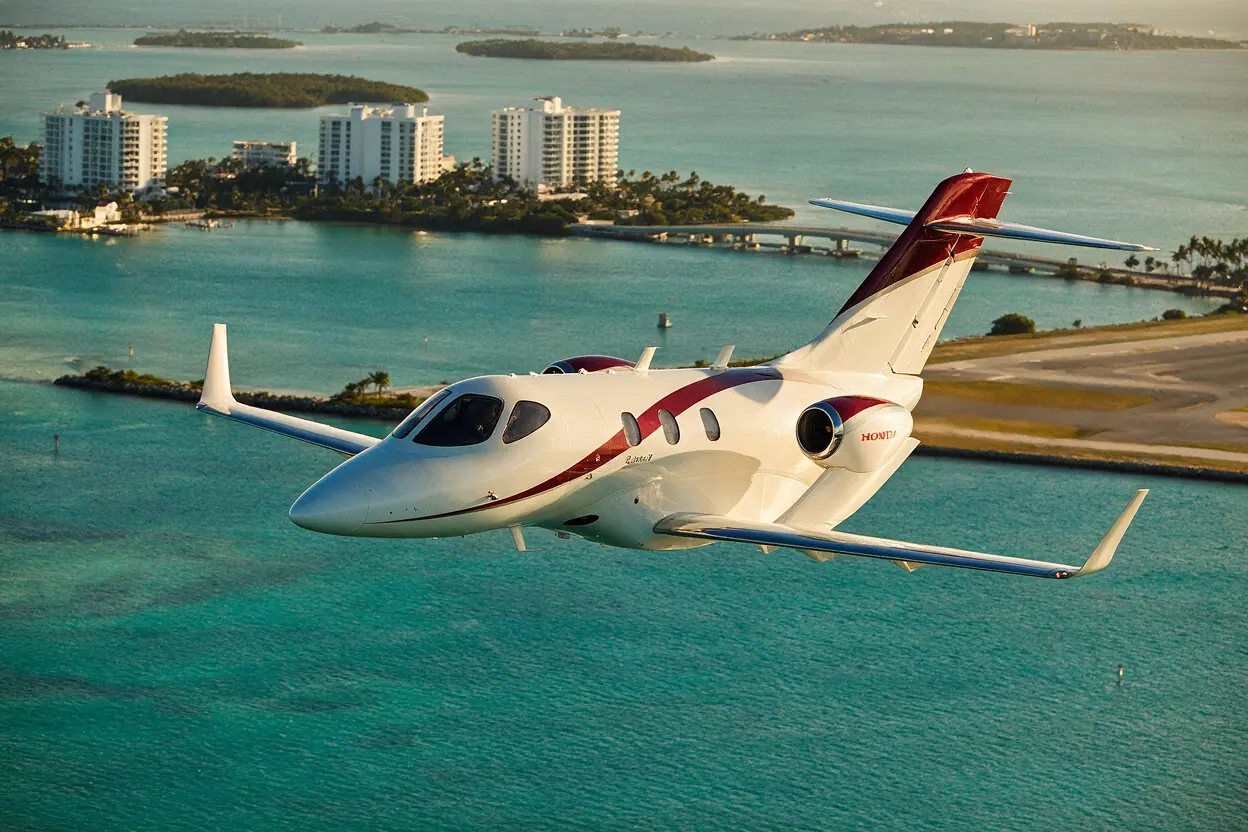
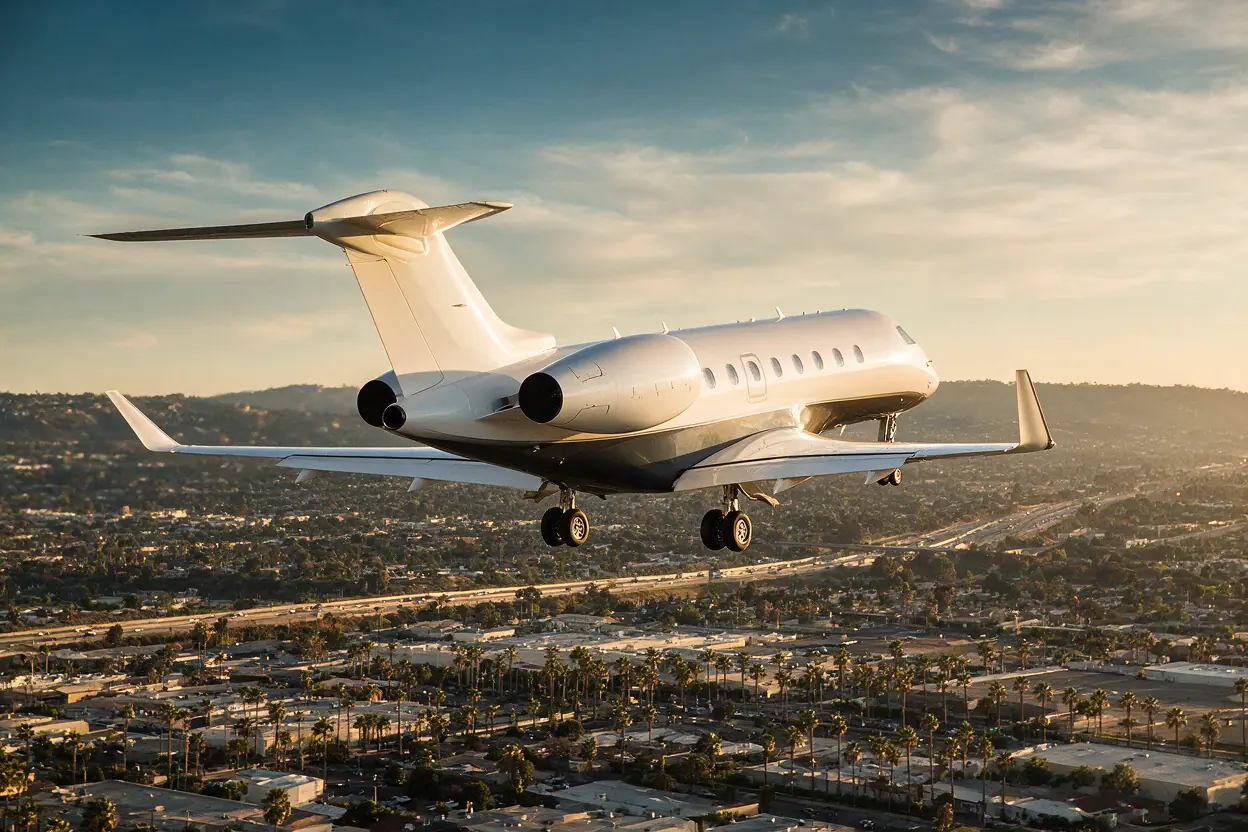
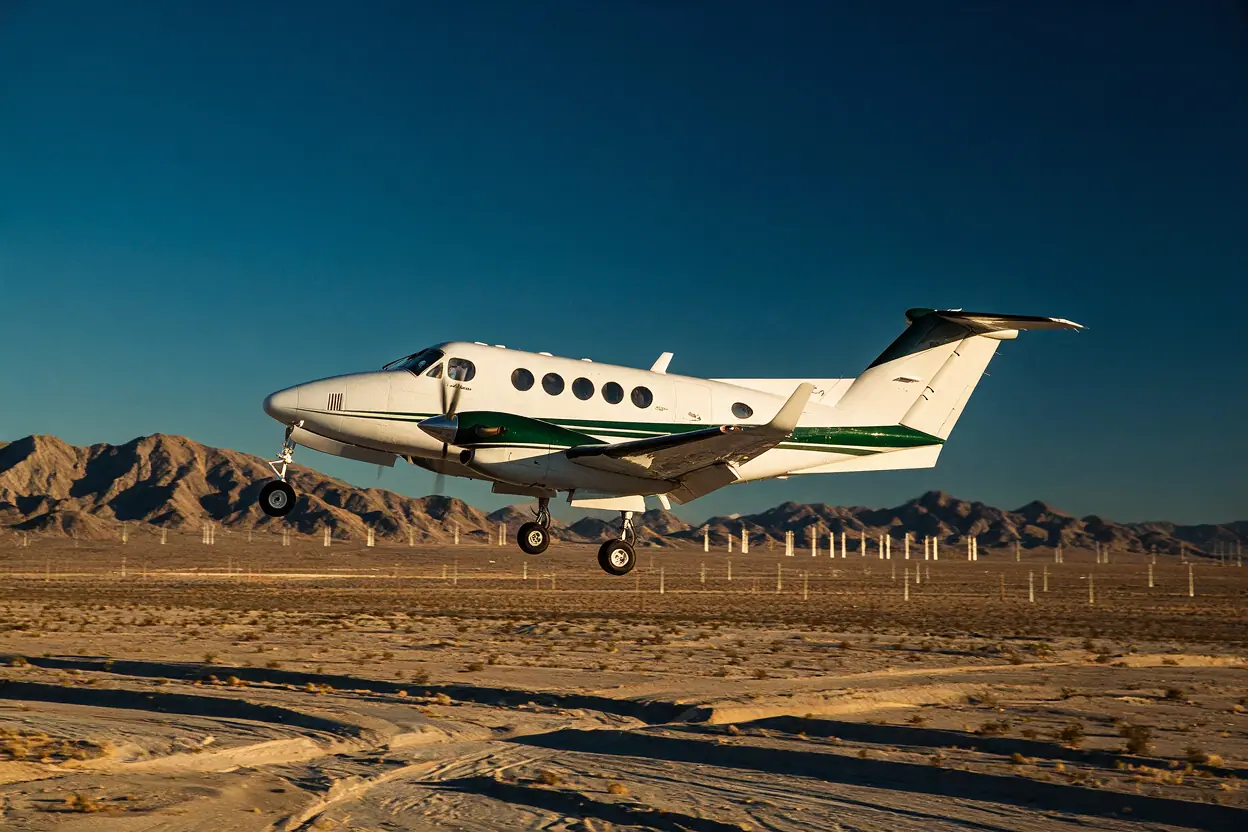
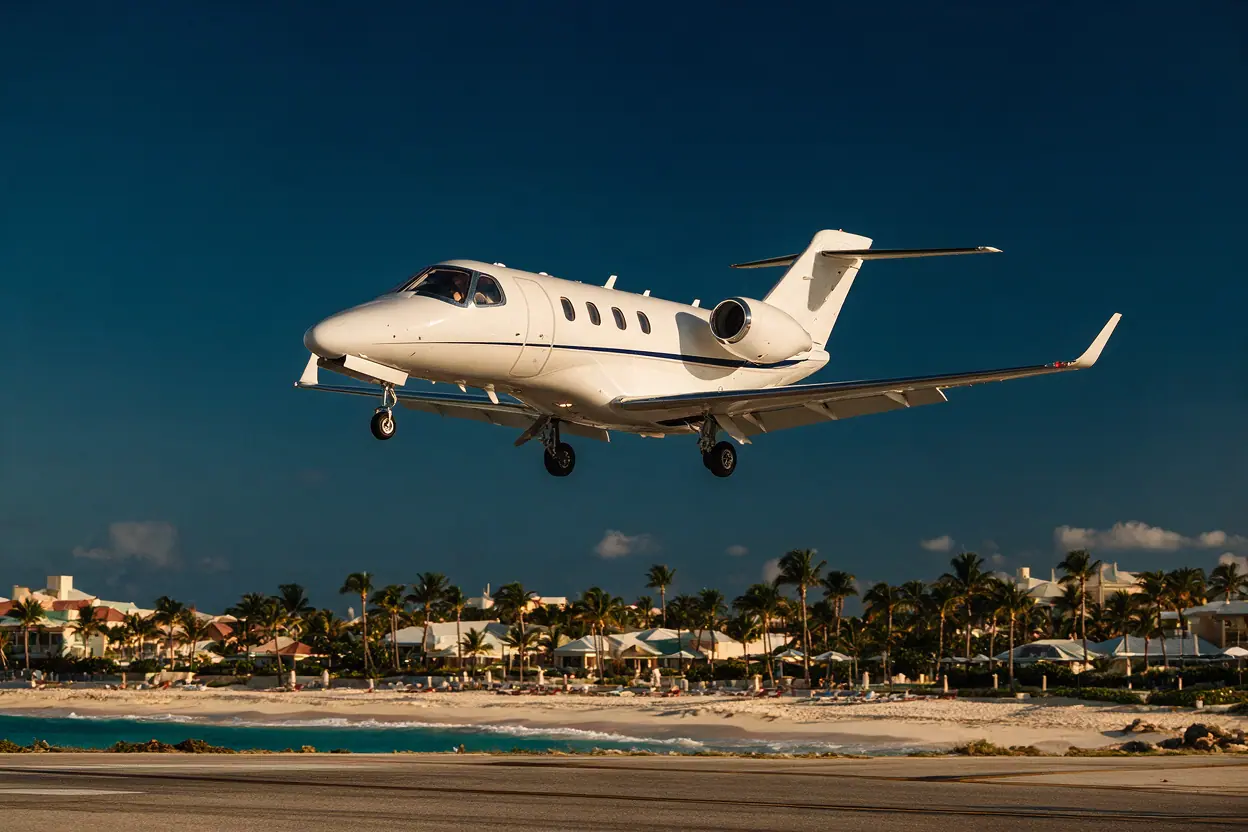
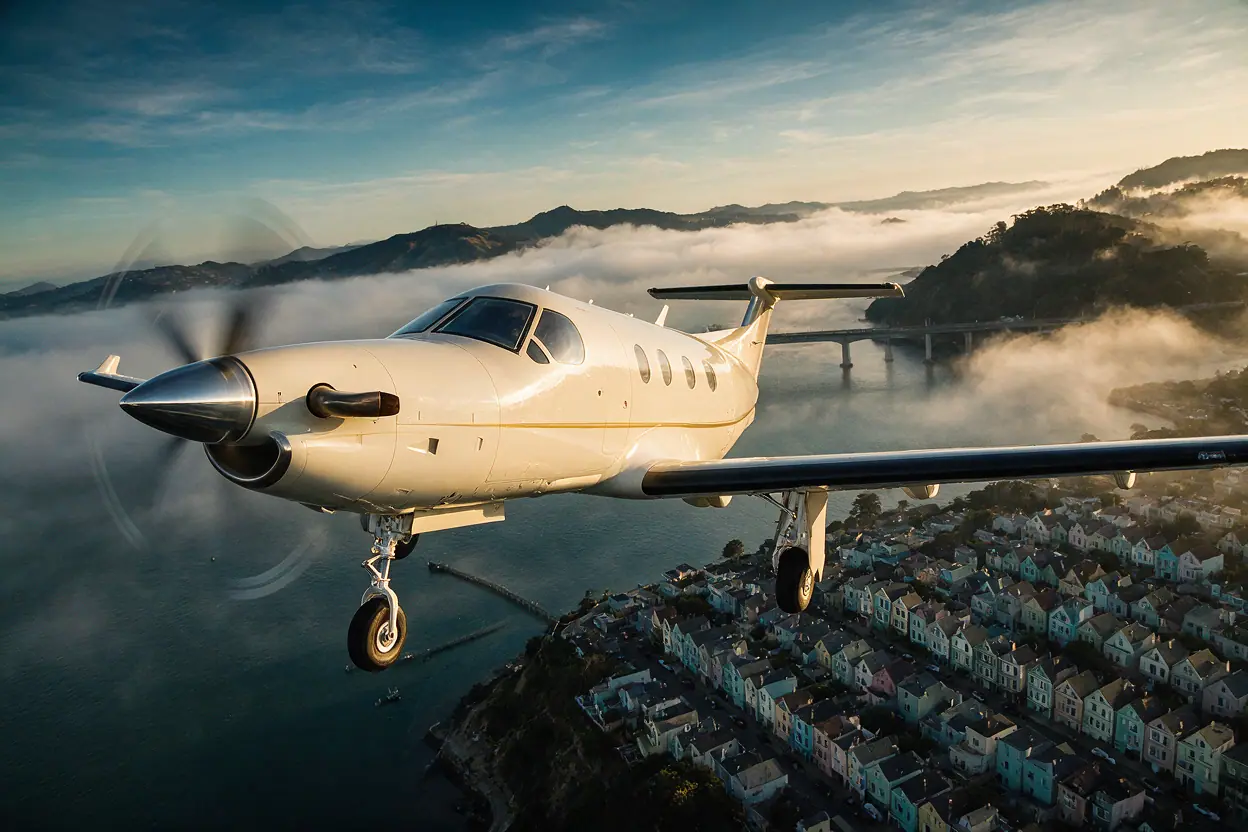
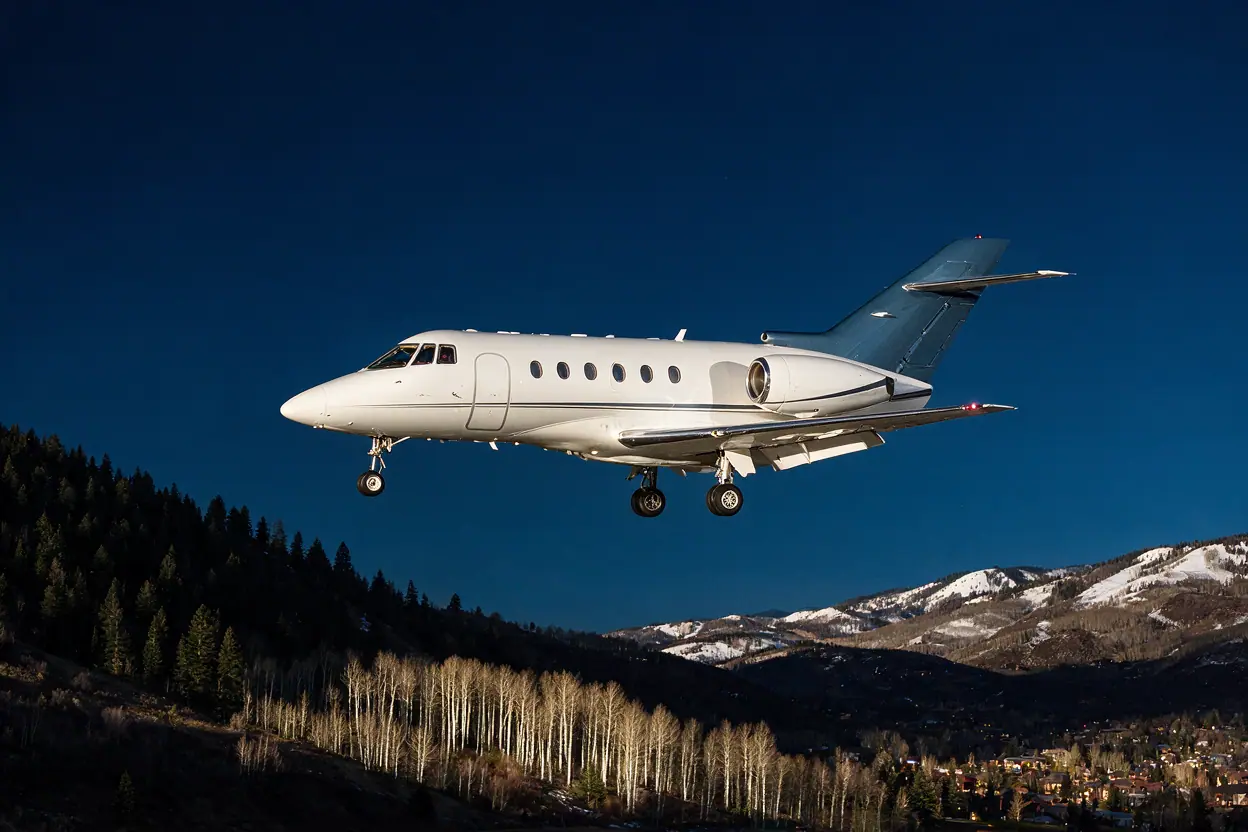
These 6 private jet routes span 199 to 2,129 nautical miles, with single-leg light jet quotes ranging from $4,000 to $36,000.
Questions about this airport
Does a pet friendly private jet Centennial flight cost more than a standard charter?
Not necessarily. The quote reflects aircraft type, route and date rather than a pet surcharge at the airport level. Some FAA Part 135 operators add a cleaning fee, and that figure varies by operator. Because prices are estimates until an operator confirms availability, ask for the pet fee as a separate line so you can compare two quotes fairly. A broker acting as your agent can request that breakdown across several operators at once.
Which jets can operate from Centennial at 5,885 feet in summer?
Many can, but performance is the filter. With July density altitude near 9,200 feet and a peak around 9,700 feet at 115F, operators review takeoff distance and climb margin for the specific route and load. The 10,001-foot runway helps. If the trip is long and the day is hot, then a larger cabin jet may be the practical choice. The operator makes the final call under its FAA Part 135 certificate.
How do operators handle pets in the cabin?
Each FAA Part 135 operator sets its own policy. Common questions are carrier size, whether the pet stays in the carrier for the whole flight, and any cleaning fee. Some cabins have more floor space for a carrier than others, so the aircraft type matters. A charter broker can collect those policies in writing before you book, which avoids surprises at the FBO.
Is Centennial a good alternative to Denver for pet friendly charter flights?
It often is, depending on where you live and where you are going. KAPA has a 10,001-foot runway and three FBOs, including jetCenters of Colorado, Modern Aviation and Signature Aviation - North. If your destination is west or south, then Centennial can shorten the ground drive. Compare the total door-to-door time, not just the flight time.
What does density altitude mean for a flight with a large dog?
Density altitude is the altitude the aircraft feels, not the field elevation. At Centennial the July figure is about 9,200 feet, so a hot-day departure may have less performance margin. Pet weight and carrier size count toward payload. If the combined load is high, then the operator may recommend a different jet type or a lighter fuel load. That is a normal planning step, not an obstacle.
Who is responsible once the flight is booked?
The FAA Part 135 operator holds operational control and is responsible for the flight, crew and aircraft. A charter broker arranges the trip as an agent under DOT Part 295 and does not operate aircraft. For international legs, CBP handles clearance and pet documentation may be required. Ask who to call for each part of the trip before you confirm, so the chain of responsibility is clear.